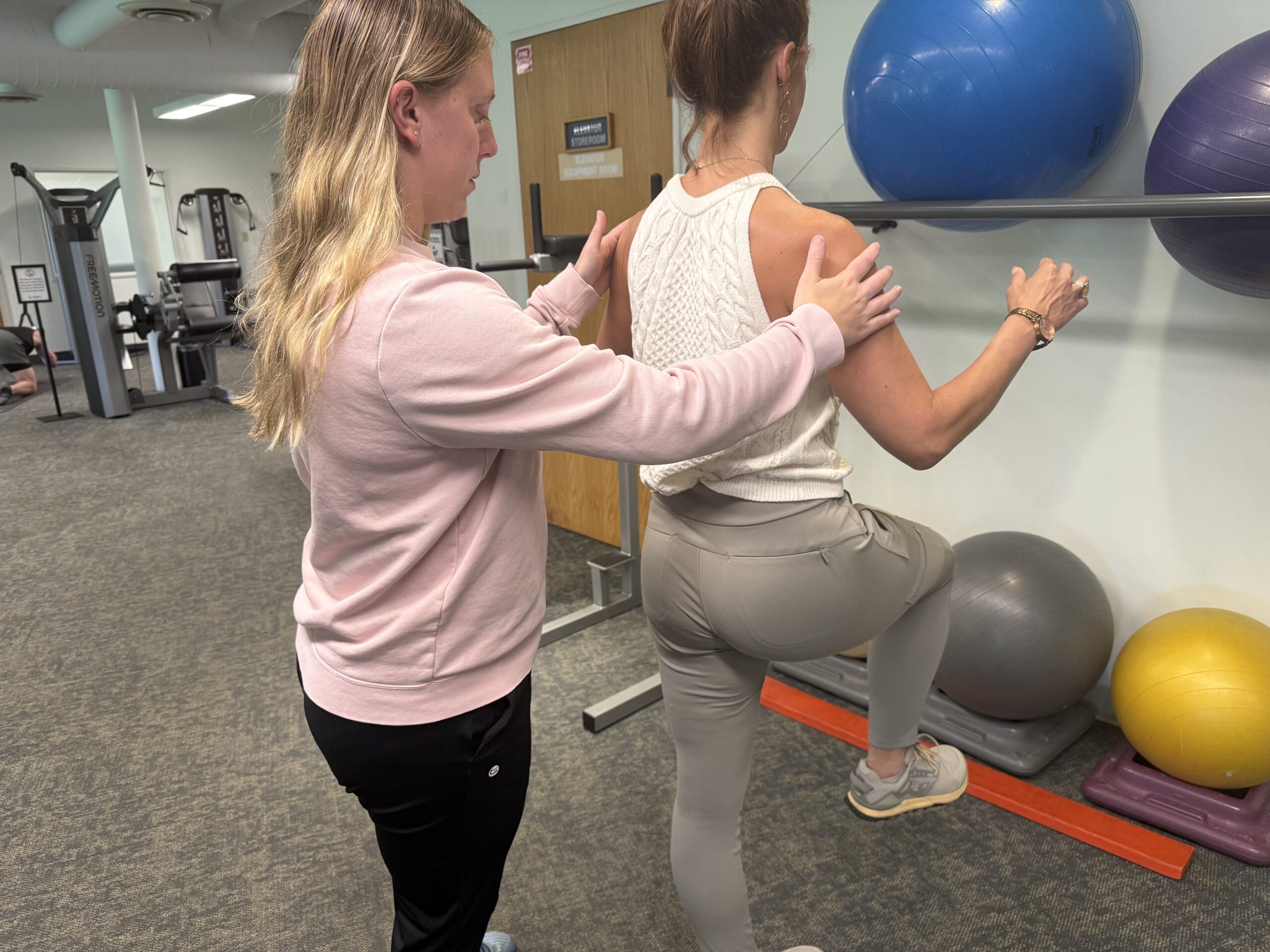
If you’ve ever been handed a generic sheet of exercises and told to “do these at home,” you may have wondered: will this really solve my problem?
Exercise is an essential part of recovery — but meaningful progress often requires much more than a standardized list of stretches and strengthening exercises. Every person brings a unique combination of goals, movement patterns, lifestyle demands, health history, and personal challenges to the rehabilitation process. Because of this, the same approach doesn’t work equally well for everyone.
You Are More Than a Diagnosis
Two people can have the exact same diagnosis and experience it in completely different ways.
Consider two clients with knee pain. One wants to return to hiking with their family. The other wants to safely manage stairs without fear of falling. Same diagnosis — very different physical demands, goals, and treatment priorities.
Individualized physical therapy recognizes that successful treatment isn’t just about addressing a body part — it’s about understanding the whole person. Occupation, hobbies, stress levels, previous injuries, sleep habits, activity level, and personal goals all influence how you move, recover, and respond to treatment.
The question shouldn’t only be “What’s wrong with your knee?”
It should also be “What do you want your knee to allow you to do?”
Why a Generic Exercise Sheet Isn’t Always Enough
Exercise handouts are a valuable tool — but they are just that, a tool.
A sheet of paper can’t tell whether you’re performing a movement correctly. It can’t identify compensations that may be reinforcing the problem. It can’t adjust difficulty when an exercise becomes too easy, or shift the plan when symptoms change.
Most importantly, a generic program may not address what’s actually driving your pain or limitations. For example:
- Is shoulder pain actually being driven by limited thoracic mobility?
- Is low back discomfort related to hip weakness?
- Is a balance issue caused by strength deficits, sensory changes, fear of movement — or all three?
Without identifying the true contributors to a problem, even the “right” exercises may produce limited results. Research comparing individualized physical therapy to standardized exercise protocols has looked at exactly this question — individualized care focuses on finding root causes rather than simply treating symptoms.
Meaningful Progress Comes from Attention to Detail
Recovery is rarely about finding one magic exercise. It comes from a detailed understanding of how your body moves and responds to stress. Small factors make a significant difference:
- Spine positioning during an exercise
- Which muscles are actually doing the work
- Breathing strategy
- Movement quality versus movement quantity
- How intensity progresses over time
- How daily habits affect recovery
These details are often where lasting improvement is made. When rehab is individualized, treatment evolves alongside your progress — as strength, mobility, confidence, and function improve, the plan adapts to meet new goals.
Understanding the “Why” Behind Your Rehab
One of the most important parts of rehabilitation is understanding why you’re doing what you’re doing. Clients become more engaged and confident when they understand the purpose behind their plan — what an exercise is trying to improve, how it relates to their symptoms, what they should be feeling, and how it moves them closer to their goals.
When clients understand the why, they become active participants in their recovery rather than passive recipients of care — leading to better consistency, greater confidence with movement, stronger self-management skills, and better long-term outcomes. Education isn’t separate from treatment. It’s part of treatment.
The Value of a Holistic Approach
At its best, rehabilitation is a partnership. A holistic approach recognizes that recovery is shaped by far more than muscles and joints — it considers the physical, emotional, and lifestyle factors that affect health and performance. That means taking time to understand your goals, your challenges, your movement patterns, your daily demands, and your personal definition of success.
Because successful rehabilitation isn’t just about reducing pain. It’s about helping you return to what makes life meaningful — hiking with family, playing with grandchildren, returning to sport, gardening, traveling, working comfortably, or simply moving through your day with more confidence.
How Embody Approaches This
A holistic approach often means surrounding yourself with a team that goes beyond a single provider. At Embody, physical therapy, chiropractic, acupuncture, and functional wellness coaching work together under one roof. Each discipline contributes a different lens on the same goal, so your path back to function isn’t limited to one perspective.
The Bottom Line
There’s no universal exercise program that works for every person. General recommendations can help, but lasting results come from a plan built around your specific needs, goals, and movement patterns.
The most effective rehabilitation doesn’t just ask “what exercises should you do?” It asks the Function Question: who are you, what matters to you, and how can we help you get back to doing it?
That’s where individualized, holistic care makes the difference. Learn more about our approach to integrative wellness, or call Embody Health and Performance during business hours to talk through what individualized care could look like for you.
Frequently Asked Questions
A handout can’t assess your movement quality, identify compensations, or adjust as your symptoms change — it treats the diagnosis, not the person behind it.
It accounts for your specific goals, movement patterns, lifestyle, and health history — not just your diagnosis — and adapts as your progress changes.
No — it considers physical, emotional, and lifestyle factors, and often involves more than one discipline (PT, chiropractic, acupuncture, coaching) working together.
This article is educational and is not a substitute for individualized medical care.


