Gut health is often reduced to digestion—what you eat, what you eliminate, and how quickly symptoms improve. But from a functional and integrative perspective, gut health is far more than the absence of bloating, gas, constipation, or diarrhea. It plays a central role in immune regulation, nervous system balance, inflammation, recovery, and overall resilience.
At Embody Health & Performance, our functional wellness approach to gut health is informed by principles commonly used in functional and integrative medicine, focusing on how the body’s systems work together, meaning we look beyond isolated symptoms and focus on how the body’s systems work together. Stress, sleep, daily rhythms, and nourishment all influence how well the gut functions and how effectively it repairs. When one or more of these inputs becomes overwhelmed, the gut is often one of the first places that stress shows up.
Repairing gut health isn’t about following a rigid protocol or chasing quick fixes. It’s about supporting the body’s natural ability to adapt and heal—at a pace that reflects your history, your stress load, and your capacity for change. With the right foundations in place, meaningful improvement becomes sustainable, not temporary.
Why Gut Health Is More Than Digestion
The gut acts as a major regulator of multiple systems in the body, including:
- Immune response
- Nervous system balance
- Inflammation and recovery
This is why symptoms such as bloating, fatigue, joint pain, skin issues, or poor sleep often trace back to gut stress—even when digestion itself doesn’t seem like the primary issue.
From a functional wellness approach to gut health perspective, repairing the gut means supporting the entire system, not just removing foods. When digestion, immunity, and the nervous system are working together, the gut is better able to protect, absorb, and adapt.
Our Functional & Integrative Philosophy on Gut Healing
Our approach to gut health is grounded in long-established principles of human physiology—not trends or rigid protocols.
Principle-Driven, Not Protocol-Driven
When we say our approach is principle-driven, we are referring to foundational truths that consistently support health: a calm nervous system promotes digestion, managed stress improves nutrient absorption, eating in alignment with natural rhythms supports blood sugar regulation, and whole, real foods provide the body with the tools it needs to heal.
In contrast, protocol-driven approaches often apply the same plan to everyone—identical food lists, strict eliminations, supplement stacks, or fixed timelines—regardless of individual stress load, history, or capacity. While protocols may offer short-term symptom relief, they don’t always address why the gut became overwhelmed in the first place.
For some people, rigid protocols increase physiological stress, narrow food tolerance, and reduce long-term adaptability. Healing becomes something to “complete,” rather than a process to support.
A principle-driven approach works with the body instead of forcing it into compliance, creating conditions that support digestion, regulation, and repair over time.
Personalized, Not Restrictive
While we are all human, we each bring different stories, stressors, and needs. Someone may be eating “clean” but living in a constant state of stress, limiting digestion and absorption. Another person may have well-managed stress but be eating foods their body does not tolerate well.
Healing requires understanding which input matters most for each individual.
Focused on Resilience and Adaptability
We are not interested in shrinking someone’s food list indefinitely. The body thrives on metabolic flexibility—the ability to tolerate and adapt to a variety of foods. The goal is to create space for healing, then gradually reintroduce variety to build long-term resilience.
Gut Healing Is a Process, Not a 30-Day Plan
Although the gut lining renews itself regularly, meaningful functional gut healing depends on consistency—reducing irritants, restoring nutrients, regulating immune responses, and supporting the microbiome over time. Healing requires patience and trust in the process.
What’s Really Happening When the Gut Lining Needs Support
When functioning well, the gut lining does a remarkable job of keeping food, bacteria, and toxins contained within the digestive tract while selectively allowing nutrients into the bloodstream. This selective barrier relies on structures known as tight junctions.
When the body is overburdened—by chronic stress, antibiotics, chemical exposures, ultra-processed foods, or prolonged inflammation—those tight junctions can lose their ability to regulate properly. Instead of opening and closing selectively, they may remain overly open, allowing undigested food particles and toxins into the bloodstream. The immune system then recognizes these as foreign and mounts a response, often experienced as inflammation, sensitivities, or systemic symptoms.
Rather than thinking in terms of damage, it’s more accurate to think in terms of capacity. The body is highly resilient and can manage a significant load—until it reaches a tipping point. That tipping point is often triggered by a major stressor, medication use, illness, or long-ignored symptoms.
Healing begins by reducing the overall burden so balance can be restored.
Can You Heal Leaky Gut in 2 Weeks? Let’s Reframe the Question
It’s understandable why this question is so common. Our culture promises quick fixes, and when symptoms are uncomfortable or disruptive, relief feels urgent. While meaningful changes can happen within two weeks, the idea of fully healing leaky gut in 2 weeks oversimplifies how the body actually repairs and adapts.
In the short term, two weeks may be enough to:
- Reduce digestive symptoms
- Improve bloating or energy
- Increase awareness of food tolerance and stress triggers
- Begin calming an overactive nervous system
These changes matter—they are often the first signs the body is responding to support.
What typically takes longer is building true resilience. Although the gut lining renews itself regularly, that process depends on adequate nourishment, reduced stress load, consistent recovery, and nervous system regulation. When stress remains high—physical, emotional, or metabolic—healing tends to stall.
A more helpful question is: What conditions does my body need to repair effectively? When those conditions are in place, progress becomes steadier and more sustainable.
How to Fix Leaky Gut Syndrome Naturally: Foundational Supports
Nervous System Regulation Comes First
Digestion and nutrient absorption depend heavily on the gut–brain connection. When the body is in a parasympathetic, “rest and digest” state, digestion improves. Under chronic stress, stomach acid production decreases, digestive enzymes decline, and absorption suffers.
Simple practices—slowing down before meals, expressing gratitude, or taking a few calming breaths—signal safety to the body and prepare it to digest.
Movement, Recovery, and Stress Load Matter
Movement can support digestion, but excessive or high-stress exercise can impair gut repair—especially if daily life already feels overwhelming. Gentle movement such as walking, pilates, yoga, or tai chi can help counter chronic stress and support parasympathetic activation.
The goal is to choose movement that restores rather than depletes.
Healing Your Gut Diet—Foods That Support Repair
Nutrition plays an important role in gut health, but healing your gut isn’t about aggressive elimination or perfection. Overly restrictive diets often increase stress on the body and slow progress. From a functional wellness approach to gut health perspective, the goal is to reduce digestive strain while gently supporting repair and microbial balance.
Resistant Starches That Feed the Gut
Resistant starches reach the large intestine largely undigested, where they nourish beneficial gut bacteria. When introduced gradually and prepared intentionally, they are often well tolerated.
Examples include:
- Cooked and cooled (8 hours or overnight) potatoes or white rice
- Green bananas or plantains, as tolerated
- Green banana flour, added in small amounts to yogurt or smoothies for an easy, consistent source
These foods tend to be best tolerated when eaten as part of a balanced meal that includes protein and fat, supporting digestion and metabolic stability.
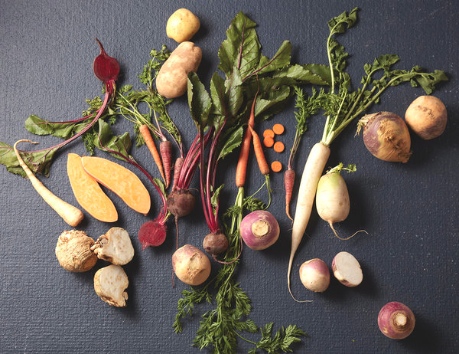
Root Vegetables and Cooked Vegetables Over Raw
When the gut is under stress, raw vegetables—though nutrient-dense—can be difficult to digest. Cooking vegetables reduces digestive demand and improves tolerance.
Often well-tolerated options include:
- Squash
- Carrots
- Beets
- Parsnips
- Sweet potatoes
Cooked vegetables provide nourishment while minimizing irritation, particularly during earlier stages of healing.
Slowly Introducing Fermented Foods
Fermented foods can support microbial diversity, but more is not always better—especially when the gut is sensitive. A slow introduction allows the body to adapt.
Examples include:
- Sauerkraut or kimchi (starting with very small amounts)
- Yogurt or kefir with minimal added sugar
- Kombucha, in small portions, watching sugar content
Tolerance should guide intake. Fermented foods should support digestion—not challenge it.
Eating Patterns That Give the Gut Time to Repair
How often and when you eat can be just as important as food choice. Constant grazing keeps the digestive system working without adequate rest.
Limiting your eating window—typically to 8–12 hours per day—allows for longer periods between meals and overnight, giving the gut time to rest and repair. Similarly, choosing fewer, more satiating meals rather than frequent small snacks allows digestion to complete and recovery processes to occur between meals.
The goal is not restriction, but rhythm—creating enough space for digestion and repair to take place.
A Key Reminder About Healing Your Gut Diet
Food is one piece of the puzzle. Supportive foods cannot override chronic stress, poor sleep, or a nervous system stuck in high alert. Sustainable gut healing happens when nourishment, recovery, and regulation work together.
What supports one person’s gut may not support another’s. That’s physiology, not failure.
A Sustainable Path to Repairing Gut Health
Long-term gut health is defined by adaptability—fewer flare-ups, improved tolerance, and faster recovery when stressors arise. Personalization matters because no two bodies carry the same history or load.
A functional wellness approach supports the body over time, helping it regain balance rather than chasing short-term fixes that don’t last.
There is no single timeline. Some people notice improvements within weeks, while deeper repair and resilience take longer. Progress depends on stress levels, sleep quality, nourishment, and individual history.
Cooked vegetables, root vegetables, resistant starches, and slowly introduced fermented foods often support gut health. Tolerance matters more than quantity or variety.
Yes. The gut and nervous system are closely connected. Chronic stress can reduce digestive capacity and impair gut repair, making regulation a key part of healing.
Not always. Nutrition, sleep, stress management, and daily habits form the foundation. Supplements may be helpful in some cases, but they work best as support—not the primary strategy.
Short-term elimination can help identify triggers, but long-term restriction is not always helpful. Sustainable healing focuses on nourishment, tolerance, and gradually expanding dietary variety.


