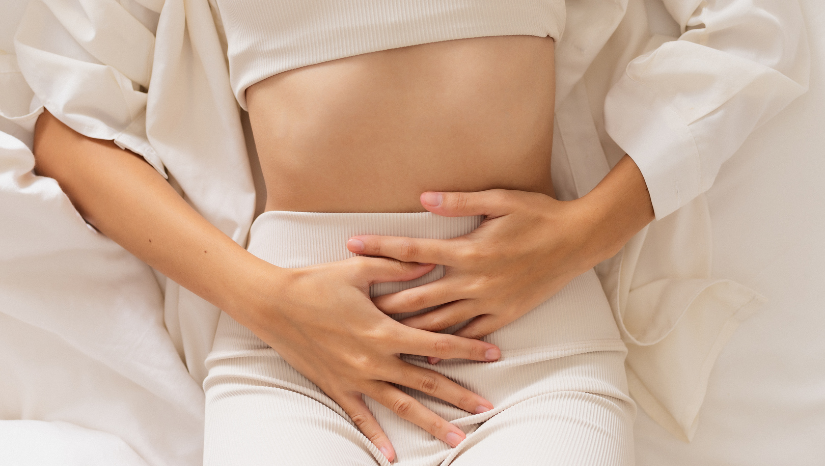
Pelvic pain is more common than many people realize. Yet it is often misunderstood, dismissed, or treated as an isolated issue. Whether it feels like a dull pain in the pelvis, sudden pelvic pain in women, strong pelvic cramps, or internal pain when sitting down, your symptoms matter.
More importantly, they are treatable.
At Embody Health and Performance, we approach pelvic pain through a whole-body lens. Instead of asking, “What is wrong with this one area?” we ask, “What is your body trying to communicate?”
What Is Pelvic Pain?
Pelvic pain refers to discomfort in the lower abdomen, pelvis, hips, groin, tailbone, or deep pelvic floor pain area. Some people describe it as a dull pain in the pelvis that comes and goes. Others experience sudden pelvic pain in women without a clear injury. You may also notice pelvic pain when sitting, pelvis hurts when sitting for long periods, or internal pain when sitting down.
Many people search, “Where is pelvic pain located?” The answer depends on how the pelvis is functioning within the whole body. Because the pelvis connects the spine, hips, abdominal wall, and pelvic floor muscles, pelvic discomfort symptoms often overlap with hip and low back complaints. For example, female lower back and hip pain frequently has a pelvic floor component.
If you are experiencing pelvic pain in women symptoms such as pressure, strong pelvic cramps, or pain that shifts locations, it does not automatically mean something is structurally damaged. Often, it reflects how the muscles, joints, and nervous system are interacting.
Understanding where pelvic pain is located is helpful. However, understanding why it is happening is far more important.
Why Pelvic Discomfort Symptoms Are Often Complex
Pelvic discomfort symptoms can feel confusing. You might notice:
- Pain with sitting, standing, or exercise
- Internal pain when sitting down
- Pain with urination or bowel movements
- Discomfort during or after intimacy
- Pelvic pain in women that comes and goes
- Pressure in the pelvis without a clear diagnosis
As a result, many people begin searching for pelvic pain in women treatment options without fully understanding the root cause.
However, the pelvis is influenced by posture, breathing patterns, hip mobility, stress levels, previous injuries, surgical history, and even how you coordinate your core. When these systems are not working well together, the nervous system can become sensitive. Over time, that sensitivity may contribute to persistent symptoms.
In other words, pelvic pain is rarely “just pelvic.”
5 Common Contributors to Pelvic Pain
Although every person’s story is unique, several common contributors appear in physical therapy for pelvic pain.
1. Pelvic Floor Muscle Dysfunction
The pelvic floor muscles support bladder and bowel function, sexual health, posture, and core stability. These muscles must contract, relax, and coordinate well with breathing.
When they are too tense, too weak, or poorly coordinated, symptoms such as pelvic floor pain area discomfort, bladder issues, or pain with sitting may develop. For some individuals, bladder therapy for women becomes necessary when pelvic floor coordination is impaired.
2. Hip and Low Back Dysfunction
The pelvis acts as a bridge between the spine and the hips. If the hips lack mobility or strength, the pelvic floor often compensates. Similarly, low back restrictions can increase tension through the pelvic region.
Therefore, hip joint pain physical therapy and pelvic floor therapy often overlap. Addressing one without evaluating the other can limit long-term results.
3. Pregnancy and Postpartum Changes
Pregnancy and postpartum shifts affect ligaments, muscle tone, breathing patterns, and load distribution. Even years later, unresolved movement compensations can contribute to pelvic pain in women symptoms.
4. Scar Tissue and Surgical History
Abdominal or pelvic surgeries can change tissue mobility and nervous system input. When scar tissue restricts movement, symptoms may persist unless treated directly.
5. Nervous System Sensitivity
Stress and chronic tension can heighten pain perception. For example, someone asking, “Why do I feel pressure when I sit down?” may actually be experiencing increased nervous system guarding rather than structural damage.
Understanding this connection often reduces fear and restores confidence.
How Physical Therapy for Pelvic Pain Can Help
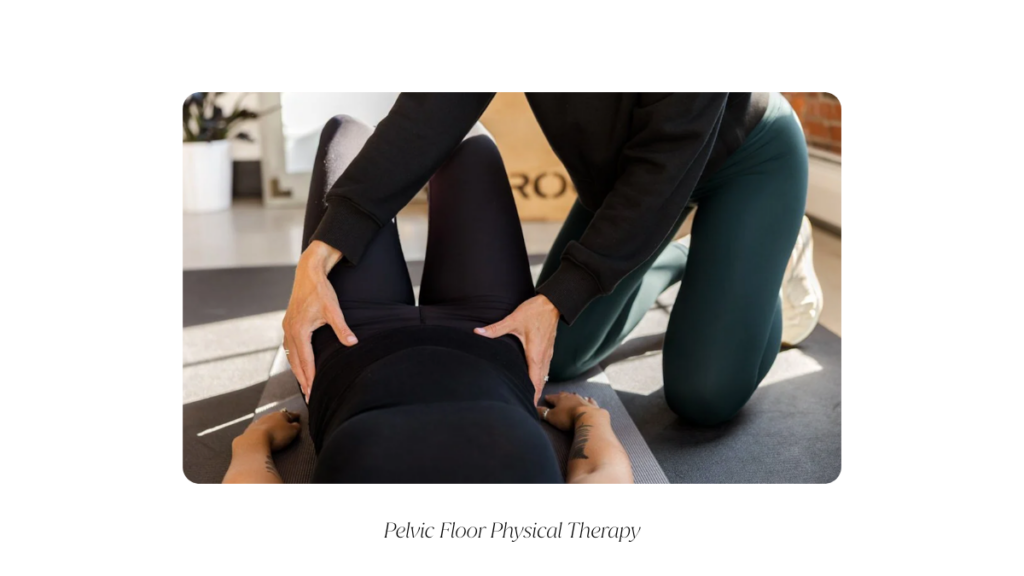
Physical therapy for pelvic pain begins with listening to your full story. At Embody, we do not treat only symptoms. Instead, we evaluate how your entire system contributes to pelvic pain.
During your assessment, we examine posture, breathing mechanics, hip mobility, spinal movement, and pelvic floor coordination. Many people seeking physiotherapy pelvic pain treatment are surprised to learn how strongly hip mechanics influence pelvic floor symptoms. In fact, hip joint pain physical therapy principles often overlap with pelvic floor therapy.
Treatment through physical therapy for pelvic pain may include:
- Pelvic floor therapy focused on relaxation, coordination, or strengthening
- Manual therapy for restrictions contributing to pain in the back pelvic area
- Breathing retraining to reduce pelvic pressure and improve muscle timing
- Progressive strengthening to support long-term resilience
- Education for pelvic pain when sitting or pressure when sitting
If you are searching for a pelvic floor therapy clinic or pelvic pain in women treatment options, it is important to choose a provider who understands that pelvic pain rarely exists in isolation.
Physical therapy for pelvic pain works best when it integrates mobility, strength, nervous system regulation, and education. This approach not only reduces pelvic discomfort symptoms but also restores confidence in movement.
A Whole-Body Model Creates Lasting Change
It is tempting to look for a single stretch or exercise. For example, many people try a kneeling hip flexor stretch hoping it will solve anterior pelvic discomfort. While mobility work can help, sustainable change requires integration.
Strength, coordination, nervous system regulation, and gradual load progression create resilience. Over time, this approach reduces pelvic discomfort symptoms and restores trust in your body.
Therefore, physical therapy for pelvic pain is not simply about reducing symptoms. It is about improving how your body functions as a whole.
You Are Not Alone
Pelvic pain can feel isolating. Many people hesitate to talk about it. Yet pelvic pain in women symptoms are common, and support is available.
Whether you are experiencing dull pelvic pain, sudden pelvic pain in women, strong pelvic cramps, pelvis hurts when sitting, or ongoing pressure in the pelvic floor pain area, there are solutions.
At Embody Health and Performance, we are proud to have a pelvic floor physical therapist on staff who provides individualized, comprehensive care. Our goal is not only pain relief but restored confidence in daily movement, intimacy, exercise, and life.
If pelvic pain is limiting your activities, seeking support from a trained pelvic health physical therapist may be the next right step.
Your body is not broken. It is communicating. And with the right guidance, it can heal.
Common Questions About Pelvic Pain and Physical Therapy
Pelvic pain can feel confusing, especially when symptoms shift or do not follow a predictable pattern. Below are answers to common questions people ask when searching for physical therapy for pelvic pain and pelvic pain in women treatment options.
Pelvic pain is typically felt in the lower abdomen, hips, groin, tailbone, or deep pelvic floor area. It can also contribute to lower back and hip pain. Because the pelvis connects multiple body systems, symptoms may appear in more than one location.
Pelvic pain when sitting may be related to pelvic floor muscle tension, poor posture, hip restrictions, or increased pelvic pressure. Prolonged sitting can increase load through the pelvic floor and surrounding tissues, especially if breathing and core coordination are limited.
Yes. Physical therapy for pelvic pain can address muscle tension, weakness, poor coordination, hip and spinal mobility restrictions, and nervous system sensitivity. Treatment is individualized and focuses on restoring strength, mobility, and function.
Common pelvic discomfort symptoms include dull pelvic pain, sudden pelvic pain in women, strong pelvic cramps, pressure when sitting, pain with intimacy, or discomfort with urination or bowel movements. Symptoms may come and go depending on stress, activity, or movement patterns.


