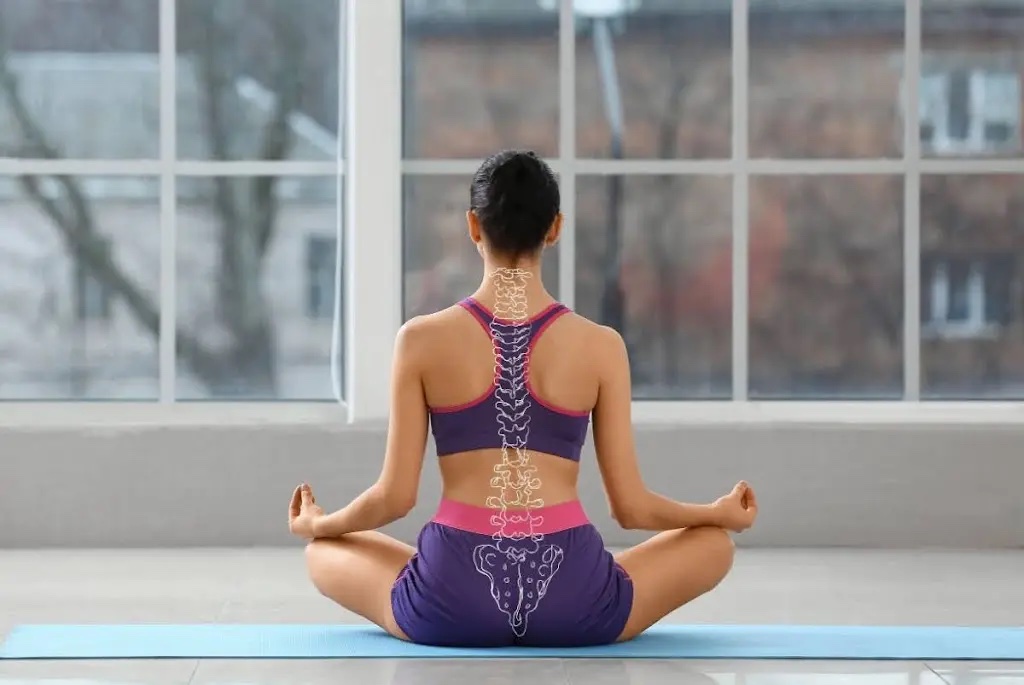
If you’ve ever searched how to improve posture or how to fix bad posture, you’ve likely seen advice like “sit up straight” or “pull your shoulders back.”
But posture is not about forcing yourself into a rigid position.
At Embody Health and Performance, we look at posture differently. Posture is about alignment, adaptability, and awareness. When your body is stacked well and moves often, everything works better.
Let’s break down what good posture actually is, how to assess it, and how to improve it in a way that lasts.
What Is Good Posture, Really?
Good posture is not a fixed position. It is a balanced, efficient alignment of your body that minimizes stress on joints and muscles.
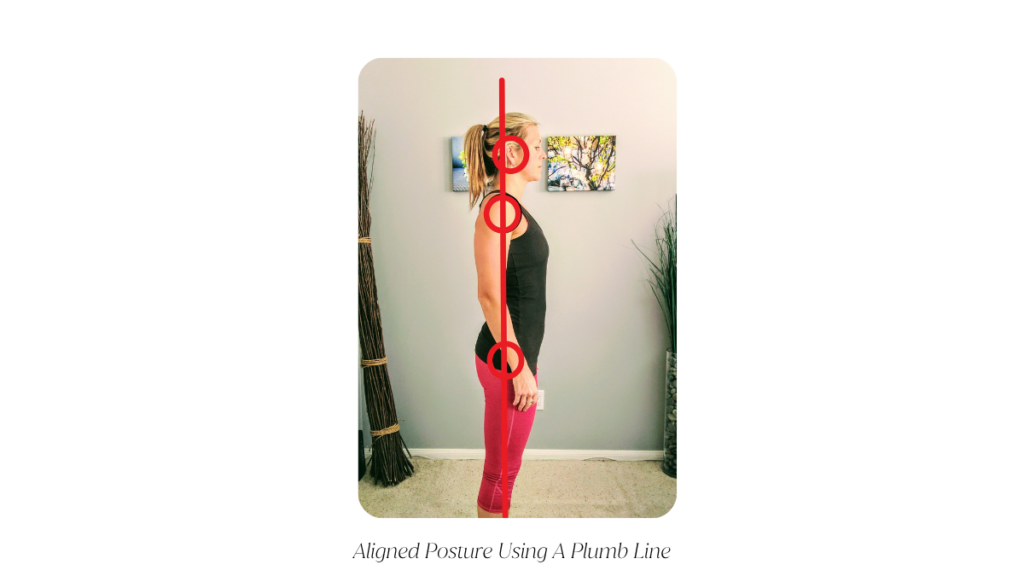
In physical therapy, we often use the concept of a plumb line to describe optimal posture.
What Is a Plumb Line?
A plumb line is an imaginary vertical line running from your head to the ground.
When your posture is aligned, key parts of your body stack along this line. This allows your body to support itself with less effort.
What Proper Posture Looks Like
From a side view, ideal alignment includes:
- Ear stacked over the shoulder
- Shoulder over the rib cage
- Rib cage stacked over the pelvis
- Hips in a neutral position
- Knees straight but not locked
- Weight balanced slightly in front of the ankles
From the front or back view:
- Head centered
- Shoulders level
- Hips level
- Knees and feet pointing forward
This is what people often mean when they search proper posture alignment or right posture.
Why Posture Matters for Your Health
When your posture is aligned:
- Muscles work more efficiently
- Joint stress is reduced
- Breathing becomes easier
- Circulation improves
- Risk of pain and injury decreases
On the other hand, poor posture can contribute to:
- Neck and back pain
- Shoulder tension
- Reduced mobility
- Fatigue and low energy
This is why searches like why is posture important and does posture affect health are so common.
The Truth: The Best Posture Is the Next Posture
Here’s where most posture advice falls short.
Even “perfect posture” becomes a problem if you hold it too long.
Your body is designed to move, not stay still.
Holding one position all day, even a good one, can lead to:
- Muscle fatigue
- Joint stiffness
- Reduced blood flow
- Increased discomfort
Instead, focus on movement variability.
Practical Tips to Improve Posture Throughout the Day
- Change positions every 20 to 30 minutes
- Alternate between sitting, standing, and walking
- Shift your weight regularly
- Stretch or reset your posture often
- Use reminders if you tend to stay still
If you’re searching how to fix posture while sitting, this is one of the most important principles.
3 Ways of How to Check Your Posture at Home
You don’t need specialized equipment to assess your posture. These simple methods can give you real insight.
1. The Wall Test
Stand with your back against a wall and check:
- Back of your head touches the wall
- Shoulder blades contact the wall
- Buttocks touch the wall
Then notice:
- Is there a large gap at your lower back?
- Does your head struggle to reach the wall?
This helps identify common issues like forward head posture or excessive arching.
2. The Side-View Photo Test
This is one of the best ways to evaluate posture.
How to do it:
- Stand naturally
- Set your camera at hip height
- Take a photo from the side
What to look for:
- Ear over shoulder
- Shoulders over hips
- Rib cage stacked over pelvis
- Knees and ankles aligned
You can draw a vertical line to simulate a plumb line and compare.
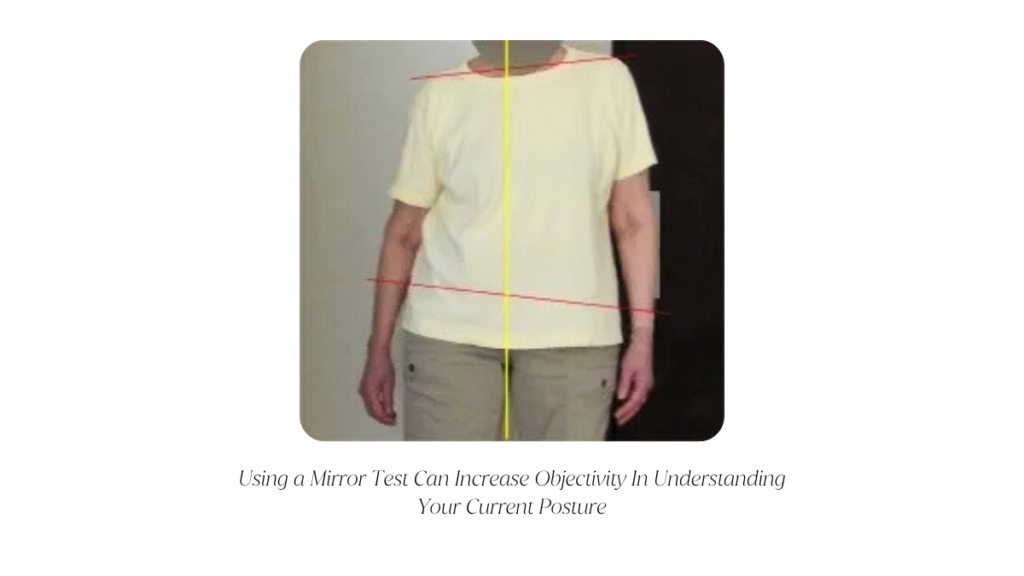
3. Mirror Check (Front View)
Stand in front of a mirror and observe:
- Are your shoulders level?
- Do your arms hang evenly?
- Is your head tilted?
- Are your hips level?
Small asymmetries are normal. Larger imbalances may need attention.
Common Causes of Poor Posture
If you’re trying to figure out why your posture is bad, these are common contributors:
- Prolonged sitting
- Lack of movement variability
- Weak postural muscles
- Limited mobility in hips or thoracic spine
- Poor workspace setup
You may notice:
- Forward head posture
- Rounded shoulders
- Slouched sitting
- Anterior pelvic tilt
Best Exercises to Improve Posture
When people search best exercises for bad posture or posture correcting exercises, they are usually looking for strength and mobility work.
Focus on building awareness first, then layering in movement.
Key Movement Categories
1. Mobility work
- Thoracic spine rotations
- Hip flexor stretches
- Chest opening movements
2. Strength work
- Rowing variations
- Posterior chain strengthening
- Deep core stability
3. Awareness-driven movement
- Breathing drills
- Rib cage positioning
- Controlled transitions between positions
At Embody, we emphasize adaptive, awareness-driven strength, not just isolated exercises.
How to Improve Posture While Sitting
If you sit for work, this matters.
Instead of forcing a rigid position:
- Sit with your feet flat on the ground
- Keep your screen at eye level
- Let your shoulders relax
- Stack your ribs over your pelvis
Then, most importantly:
Move often
No sitting posture is good if you stay there for hours.
When to Seek Help for Posture
If you’re experiencing:
- Persistent pain
- Limited mobility
- Difficulty correcting posture on your own
It may be time for a more personalized approach.
Physical therapy can help you:
- Identify the root cause of poor posture
- Improve movement patterns
- Build strength where it matters
- Create a sustainable plan
Frequently Asked Questions About Posture
Yes. The body is highly adaptable. With consistent movement, strength work, and awareness, posture can improve over time.
The fastest way is to combine:
Awareness of alignment
Frequent position changes
Targeted strength and mobility work
There is no quick fix, but there is a clear path.
Many people notice changes in a few weeks. Long-term improvements typically take a few months of consistent effort.
Yes. Posture influences breathing, rib cage position, and tension patterns, all of which can affect nervous system regulation.
They can provide short-term awareness, but they do not fix the underlying issue. Lasting change comes from movement and strength.
Final Thoughts: Posture Is a Skill, Not a Position
Improving your posture is not about holding yourself in a perfect position all day.
It is about:
- Understanding alignment
- Building strength and mobility
- Moving often
- Developing awareness
When you approach posture this way, you stop chasing perfection and start building a body that adapts, supports you, and performs well in real life.


