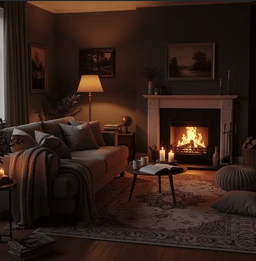
By Sara Warden, Functional Wellness Coach
Modern life makes it remarkably easy to live in a perpetual summer. You can keep your home brightly lit long after sunset, stay warm no matter the temperature outside, eat nearly any food in any season, and keep the same pace of activity and socializing twelve months a year.
Your biology, however, still recognizes the seasons.
As fall arrives, shorter days, longer nights, cooler temperatures, and changes in food availability all send information to the body. Instead of fighting those signals, you can use them. Fall and winter offer a natural opportunity to shift away from constant stimulation and toward restoration, metabolic flexibility, and recovery.
The goal isn’t to make winter uncomfortable. The goal is to stop erasing every seasonal signal your body was designed to experience.
What Is Seasonal Living, and Why Does It Matter in Winter?
Seasonal living means letting the natural signals of each season (light, temperature, food, and pace of life) shape your daily habits instead of overriding them with year-round artificial conditions. In fall and winter, those signals point toward more darkness at night, some exposure to cold, simpler and heartier food, and more rest.
When you allow some of these signals back into your life, you create conditions that support circadian alignment, sleep, metabolic health, and recovery. You don’t need a complete lifestyle overhaul. Instead, you simply notice where modern convenience has removed the season, and you let a little of it back in.
Why Does Darkness Matter for Your Health?
Darkness tells your body that the active part of the day is over. As evening progresses and light exposure decreases, your brain begins to release melatonin in response to biological night. There’s no specific number of hours of darkness required to “switch it on.” Instead, the timing, intensity, duration, and color of your evening light exposure matter most.
Melatonin Does More Than Help You Sleep
Melatonin is best known as a sleep hormone, yet its role is much broader. It’s involved in antioxidant defense and has a particularly important relationship with the mitochondria, the energy-producing structures inside your cells. Research also suggests melatonin plays a role in immune and inflammatory regulation, as well as in cellular processes such as:
- Autophagy: the body’s way of recycling damaged cellular components
- Apoptosis: the regulated removal of cells that are no longer functioning properly
In other words, darkness is about far more than getting eight hours of sleep. Nighttime is an important biological repair window.
How Artificial Light Interferes
Artificial light can blur that nighttime signal. Blue-enriched light is especially effective at suppressing melatonin at night, and bright evening light can delay your natural transition toward sleep.
How to Work With the Darkness
As the sun goes down:
- Dim the house rather than trying to recreate daylight indoors.
- Choose warm, low lamps instead of bright overhead lighting.
- Reduce screens later in the evening. Blue-blocking glasses can lower the light signal, but they don’t turn stimulating content into rest.
- Let evenings become quieter and less stimulating.
- Make your bedroom truly dark. Blackout curtains or an eye mask can make a significant difference when outdoor or household light reaches the room.
You don’t need to fear darkness. Your body expects it.
What Does Cold Exposure Do for Your Body?
Cold exposure activates brown adipose tissue (BAT), a metabolically active type of fat that burns fuel to produce heat. With repeated, gradual exposure, the body can increase its capacity to generate its own warmth.
What Is Brown Fat?
Brown fat is rich in mitochondria. Unlike white fat, which mainly stores energy, brown fat burns energy to create heat through a process called non-shivering thermogenesis. In adults, significant brown fat deposits are commonly found around the collarbones (the supraclavicular region) and in the deeper tissues of the neck and upper chest, with smaller deposits elsewhere in the torso.
Researchers are studying cold exposure and brown fat activation for their relationships with:
- Mitochondrial activity and thermogenesis
- Glucose use and insulin sensitivity
- Lipid metabolism
- Metabolic flexibility
- Energy expenditure
You Don’t Need an Ice Bath
Fall may actually offer one of the simplest opportunities for gradual cold adaptation. As temperatures begin to drop, resist the urge to dress for January in October. On appropriate days, skip the scarf. Leave the extra jacket behind. Walk outside in the cool morning air, and let your neck and collarbone area feel the changing temperature rather than insulating yourself from every hint of cold.
A cool shower that includes the neck, shoulders, and upper torso is another way to introduce a stronger cold stimulus without a plunge. Furthermore, briefly getting cold enough to shiver isn’t something you always need to prevent. Shivering generates heat and is part of how the body adapts. The point isn’t prolonged or extreme discomfort; rather, it’s giving your body chances to practice responding to temperature instead of living at a steady 72 degrees year-round.
Think of October and November as Training for January
By allowing gradual exposure as temperatures fall, you give your body time to improve its ability to produce heat. Then, when that 10-degree Minnesota morning finally arrives, you haven’t spent the previous three months avoiding cold entirely.
Cold isn’t punishment. It’s information.

What Should You Eat in Fall and Winter?
In fall and winter, build meals around whole-food protein, healthy fats, fiber, and foods that naturally belong to the season, and eat earlier in the day. Winter doesn’t require a zero-carbohydrate diet. Instead, it’s an invitation to step away from the constant abundance of processed carbohydrates, sweets, grazing, and late-night eating that can turn the holiday season into three months of metabolic overload.
Eat Like It Isn’t Summer
Historically, the food available in January looked very different from the food available in August. Grocery stores have removed most of that seasonality, but your metabolism still responds strongly to what you eat and when you eat it. Seasonal choices include:
- Meat, fish, and eggs
- Soups and stews
- Hearty greens and cabbage-family vegetables
- Squash and root vegetables
- Mushrooms, onions, and garlic
Give Digestion a Nighttime Break
Your digestive system follows circadian rhythms too. Eating late at night sends your body a very different signal than eating during the active part of the day. As daylight shortens, experiment with letting your eating window shorten as well. You don’t need perfection; start by reducing evening grazing and finishing dinner at least two to three hours before bed when possible.
Winter scarcity doesn’t mean deprivation. It simply means remembering that constant abundance isn’t required for health.
Why Is Rest Important in Winter?
Rest matters in winter because longer nights give your body more time in the conditions that support repair and recovery, as long as you don’t fill those hours with artificial daytime. Summer naturally invites activity: long days, travel, gatherings, outdoor projects, and late evenings. Winter, on the other hand, offers quiet.
Humans don’t hibernate, and our physiology shouldn’t be compared directly to animals that do. Still, seasonal changes in light exposure affect human circadian and hormonal rhythms. As a result, longer evenings are an opportunity to rest rather than to stretch daytime stimulation late into the night.

Let the Day Actually End
The temptation is to turn every dark evening back into daytime: turn on every light, watch another show, scroll for another hour, answer a few more emails. Instead, create an evening that tells your nervous system there’s nothing left to accomplish. For example:
- Read a physical book.
- Stretch or take a bath.
- Listen to music or have a conversation.
- Prepare tomorrow’s breakfast.
- Sit by the fire.
- Go to bed earlier.
Not every hour needs to be productive. Rest is productive physiology.
Your Fall and Winter Practice
You don’t need to overhaul your life. Start by noticing where convenience has removed the signals of the season, then intentionally allow some of them back in.
- See morning daylight. Get outside early and let natural light anchor the start of your day.
- Let evenings get dark. Dim the lights, reduce screens, and create a dark bedroom.
- Experience some cold. Don’t automatically add another layer the moment temperatures drop. Use fall to build cold tolerance gradually.
- Eat like it isn’t summer. Prioritize protein and whole seasonal foods, and cut back on the constant availability of refined carbohydrates and treats.
- Give digestion a nighttime break. Finish eating several hours before sleep when possible.
- Allow life to become quieter. Protect some evenings from constant entertainment, obligations, and stimulation.
- Sleep a little more when your body asks for it. Longer nights don’t need to be filled simply because electricity makes it possible.
Why This Matters
Fall and winter don’t have to be seasons you simply endure until summer returns. They provide biological signals that modern life works very hard to erase: darkness, cold, changes in food, and opportunities for rest. When you work with those signals, you support the systems that keep you resilient year-round, including circadian alignment, mitochondrial function, metabolic flexibility, cellular repair, immune regulation, sleep, and recovery.
How Embody Approaches Seasonal Health
At Embody Health and Performance, the goal isn’t another collection of health “hacks.” Instead, we teach clients to recognize what their bodies are telling them and to understand the environment human physiology was designed for. We teach; we don’t prescribe a one-size-fits-all routine.
Through functional wellness coaching at our Minnetonka clinic inside The Marsh, clients learn how light, temperature, food timing, and rest fit into their own lives, schedules, and goals. That same principle-based approach runs through our physical therapy care, where we build adaptive, awareness-driven strength so clients can keep moving, walking, and staying active outdoors through the colder months, even when they’re returning from an injury or managing pain.
If you’re not sure where to begin, that’s exactly what a conversation with our team is for. We’ll help you figure out whether functional wellness coaching, physical therapy, or another integrative service is the best starting point.
Before You Start: Cold Exposure Safety
Cold exposure should always be appropriate for the individual. If you have cardiovascular disease, Raynaud’s, impaired temperature sensation, or other medical concerns, talk with your healthcare provider before adding deliberate cold exposure. Seek immediate medical care for chest pain, numbness that doesn’t resolve with warming, skin that turns white or waxy, confusion, or uncontrollable shivering.
This article is educational and is not a substitute for individualized medical care.
When to Reach Out
Consider calling Embody if:
- Your sleep, energy, or mood consistently drop as the days get shorter, and you want a structured plan.
- You’d like guidance on building seasonal habits around light, food timing, and rest.
- Pain or an injury keeps you from walking or staying active outdoors in fall and winter.
- You’re interested in cold exposure but want help progressing safely for your body.
Frequently Asked Questions
Yes. Darkness signals your brain to release melatonin, which supports sleep and plays roles in antioxidant defense, mitochondrial health, and immune regulation. Bright or blue-enriched light in the evening can suppress that signal.
No. Gradual, everyday exposure such as walking outside on a cool morning without extra layers, or ending a shower with cool water, can activate brown fat and help your body adapt to colder temperatures over time.
Brown fat, or brown adipose tissue, is a mitochondria-rich type of fat that burns energy to produce heat. In adults, it’s found mainly around the collarbones, neck, and upper chest.
When possible, finish dinner at least two to three hours before bed. Reducing evening grazing is a simple place to start.
Yes. Longer nights and seasonal shifts in light exposure affect circadian rhythms, and many people naturally need a little more sleep during the darker months.
Work With the Season, Not Against It
Don’t try to turn winter into summer. Turn down the lights. Put the phone away. Eat dinner earlier. Leave the scarf at home sometimes. Walk into the cold. Let the evening become quiet.
There is wisdom in the season, and your body already knows how to use it.
If you’re ready to build a fall and winter rhythm that supports your sleep, energy, and recovery, call Embody Health and Performance at 952.935.4037, Monday through Friday, 7:00 AM to 5:00 PM. You can also visit our Contact page to request a call, ask a question, or request a session.


