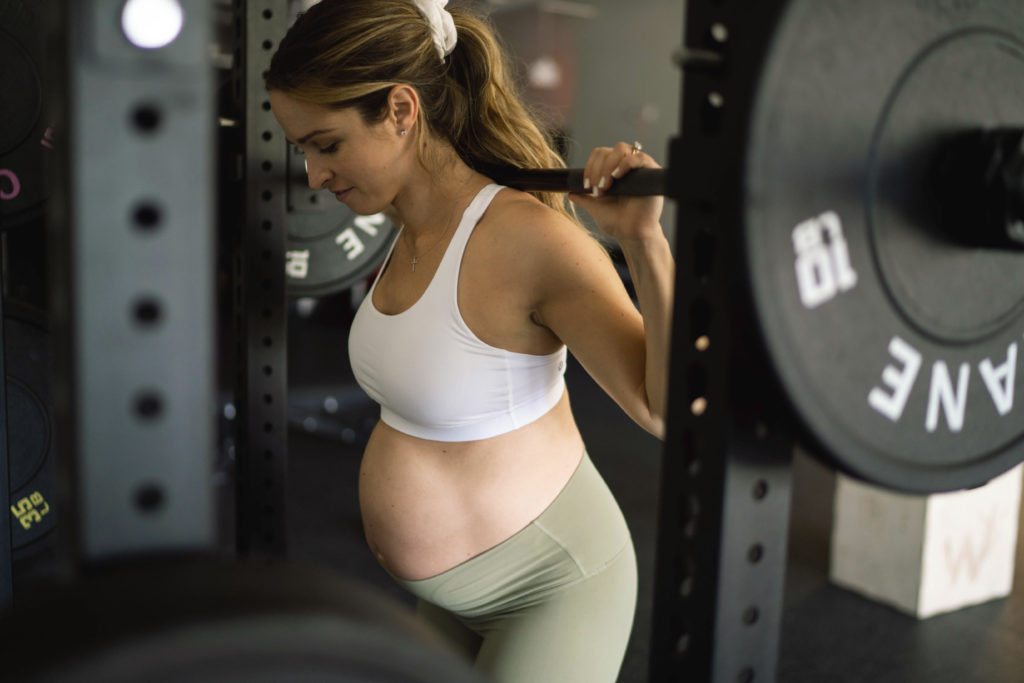
Pregnancy has a way of changing how you experience your body.
Movements that once felt automatic may now require more awareness. Positions feel different. Energy shifts day to day. And somewhere in the middle of all of that, many women start asking:
“Is it safe to exercise during pregnancy?”
“What kind of workouts are actually good for pregnancy?”
“Should I stop… or keep going?”
The answer, in most cases, is simple:
Your body isn’t asking you to stop moving—it’s asking you to move differently.
At Embody Health and Performance, we don’t look at fitness during pregnancy as something to restrict. We see it as an opportunity to stay strong, adapt well, and build awareness that supports both pregnancy and recovery.
Why Exercise During Pregnancy Matters
Staying active during pregnancy isn’t just about “fitness.” It’s about supporting how your body adapts.
Consistent, intentional movement can help with:
- Reducing back and pelvic pain
- Improving circulation and energy levels
- Supporting healthy weight management
- Regulating stress and mood
- Preparing your body for labor and delivery
But beyond the list of benefits, exercise during pregnancy plays a deeper role:
It helps you stay connected to your body while it’s changing.
Because pregnancy isn’t a time when your body is breaking down—it’s a time when it’s asking for better coordination, better support, and better awareness under load.
Your Body Is Adapting—Not Becoming Fragile
One of the biggest misconceptions around fitness during pregnancy is that your body becomes fragile.
What’s actually happening is far more intelligent.
Your body is adapting in real time:
- Hormones increase joint mobility
- Your center of gravity shifts forward
- Your core and pelvic floor manage more pressure
- Your breathing mechanics change as your rib cage adapts
These changes don’t mean you should stop exercising.
They mean your training needs to become more intentional.
This is where most generic “pregnancy workouts” miss the mark—they focus on avoiding movement instead of teaching your body how to move well within change.
Strength Training During Pregnancy: Safe, Necessary, and Often Misunderstood
Strength training during pregnancy is not only safe for most women—it’s one of the most valuable things you can continue.
But the goal shifts.
Instead of chasing intensity or pushing limits, strength training becomes about supporting the systems that are under the most demand.
That includes:
- Glutes and hips → support pelvic stability
- Upper back → counterbalance postural changes
- Core → maintain spinal control and pressure management
- Pelvic floor → respond to load, not just “tighten”
This is where the conversation often needs to change.
Preparing your pelvic floor for pregnancy and birth isn’t about endlessly doing Kegels.
It’s about understanding how it lengthens, contracts, and coordinates with breathing and movement.
Listening to Your Body (Without Overthinking It)
You’ll hear this advice often: “Just listen to your body.”
But what does that actually mean?
It doesn’t mean stopping every time something feels different.
It means learning to recognize what your body is asking for.
During pregnancy, that often looks like:
- Adjusting intensity instead of pushing to exhaustion
- Maintaining steady, controlled breathing
- Modifying movements that create pressure or discomfort
- Prioritizing quality over quantity
Most women do best with moderate, consistent movement rather than extremes.
And often, the goal isn’t to do more.
It’s to do what you’re already doing—better.
Movement Can Reduce Common Pregnancy Discomforts
Many of the discomforts associated with pregnancy aren’t just “part of the process.”
They’re often influenced by how your body is moving and adapting.
Targeted exercise during pregnancy can help reduce:
- Low back pain
- Hip tightness
- Pelvic discomfort
- Neck and shoulder tension
This is where working with a physical therapist can make a significant difference.
Instead of guessing which exercises are “good for pregnancy,” you can understand what your body specifically needs.
Training for Birth (Without Overcomplicating It)
Fitness during pregnancy isn’t just about the present—it’s about preparation.
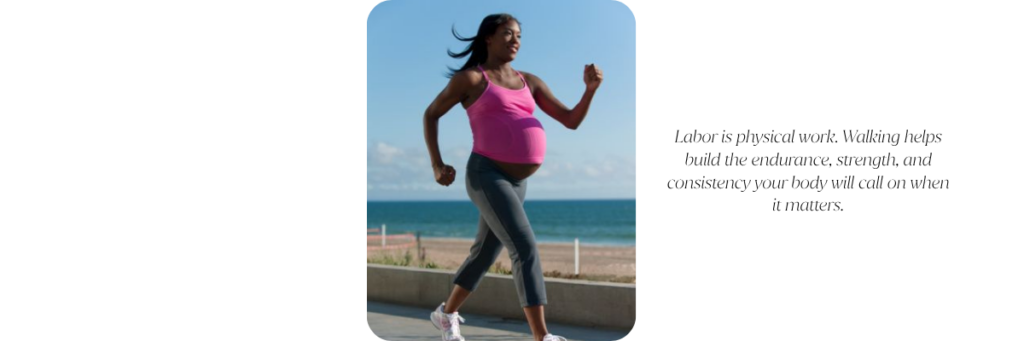
Labor and delivery are physical events that require:
- Endurance
- Strength under fatigue
- Coordination under pressure
When you stay active during pregnancy, you’re not just maintaining fitness—you’re building the ability to respond to those demands.
And just as importantly, you’re setting yourself up for a smoother transition into postpartum recovery.
The Bottom Line on Fitness During Pregnancy
Pregnancy doesn’t require you to stop exercising.
It requires you to change your relationship with exercise.
When approached with awareness and intention, staying active during pregnancy can help you:
- Maintain strength
- Reduce discomfort
- Support your changing body
- Prepare for birth and recovery
Most importantly, it allows you to stay connected to your body instead of disconnected from it.
If you’re unsure how to safely continue exercising, working with a physical therapist can help you build a plan that fits your body—not a generic template.
FAQs: Fitness During Pregnancy
For most women, yes. Exercise during pregnancy is not only safe but beneficial when adjusted appropriately for your body and stage of pregnancy.
The best exercises are those that support strength, mobility, and coordination—like walking, strength training, and controlled movement work. The key is how you perform them, not just what you choose.
In most cases, intensity should be adjusted. Pregnancy is not the time to push to exhaustion—it’s a time to train with awareness and control.
Yes, with proper modifications. Strength training helps support posture, stability, and overall function during pregnancy.
Rather than focusing on strict “avoid” lists, it’s more helpful to modify movements that create discomfort, excessive pressure, or instability.
If you’re experiencing pain, discomfort, or uncertainty about how to exercise safely, a physical therapist can help guide you with individualized support.


