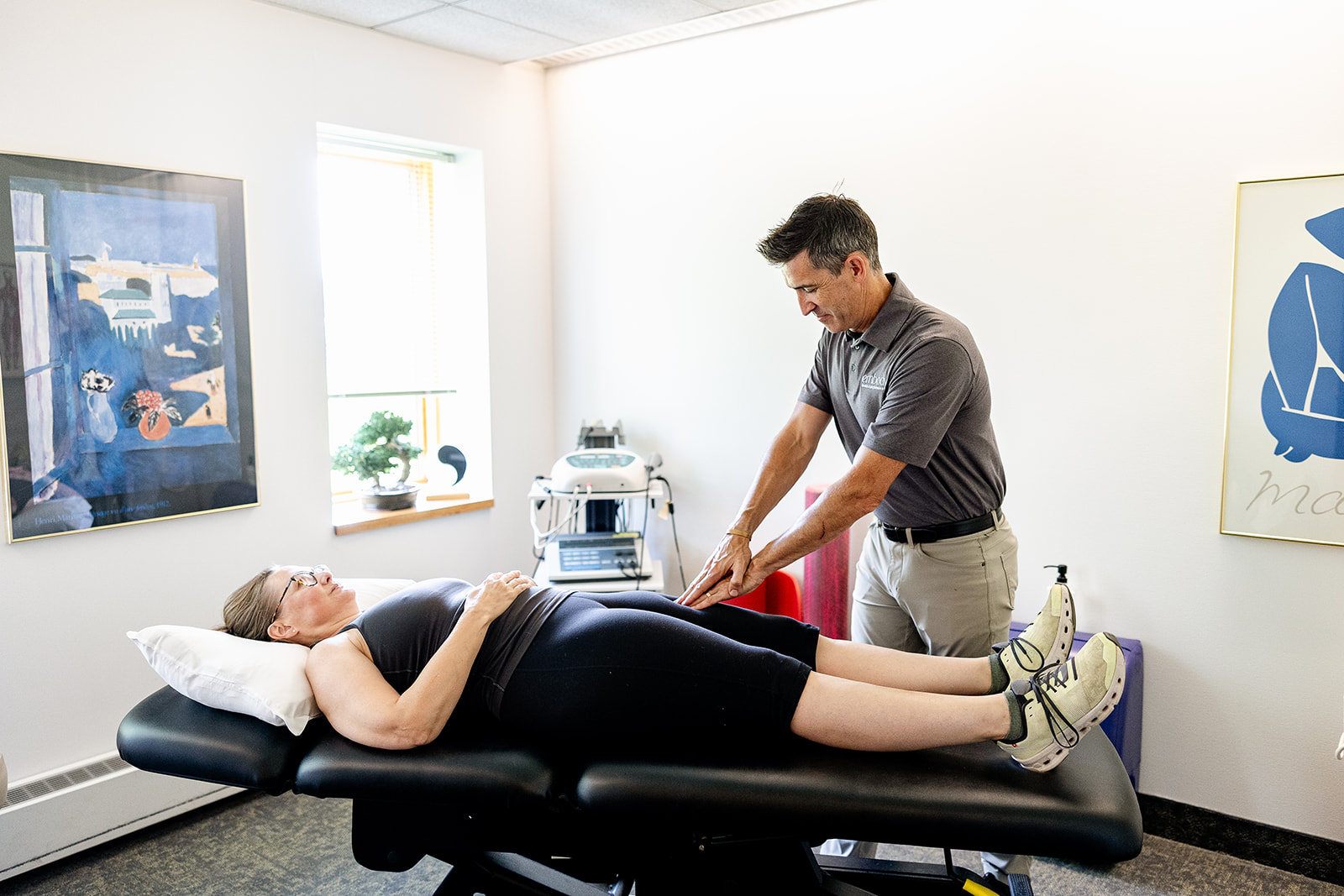
If you’ve been living with chronic pain, you’ve probably tried more than a few things to get relief — medications, injections, maybe even a round or two of physical therapy that helped for a while and then didn’t. It’s an exhausting cycle, and it’s not because you haven’t tried hard enough. It’s often because pain that lingers for months or years usually isn’t just a “where does it hurt” problem.
That’s where the conversation between traditional physical therapy and integrative physical therapy matters. Both have real value. But when pain has stuck around, understanding the difference can change how you approach recovery.
Chronic Pain Is Rarely Just About the Injury
Chronic pain doesn’t always mean something is still damaged. In many cases, tissue has healed, but pain persists anyway. Stress, sleep, movement habits, inflammation, and a nervous system that’s stuck in high alert can all keep pain signals firing long after the original injury is gone.
Think of it like a smoke alarm that keeps beeping after the fire’s out. Silencing the alarm isn’t the goal — figuring out why it’s still going off is.
What Traditional Physical Therapy Does Well
Traditional physical therapy focuses on restoring physical function through:
- Therapeutic exercise
- Stretching and strengthening programs
- Manual therapy techniques
- Mobility and flexibility training
- Injury rehabilitation protocols
This approach is well-suited to acute injuries, post-surgical recovery, and many musculoskeletal conditions. It builds strength, restores movement, and reduces pain caused by physical limitations. But when pain has become chronic, treating the physical symptoms alone often isn’t enough to get to what’s actually driving it.
What Integrative Physical Therapy Adds
Integrative physical therapy starts with a broader question. Instead of asking only where it hurts, it asks why the pain is still here in the first place — how stress, sleep, movement patterns, and a heightened nervous system might all be part of the picture.
Common components of integrative physical therapy include:
- Personalized movement therapy
- Manual therapy and hands-on techniques
- Pain neuroscience education
- Breathing and nervous system regulation strategies
- Postural and ergonomic assessment
- Lifestyle coaching
- Mind-body awareness training
The goal is to treat the whole person, not just the painful area — because in chronic pain, the two are rarely separate.
The Core Difference: Managing Symptoms vs. Resolving Root Causes
Traditional PT is focused on restoring function, correcting movement deficits, and reducing symptoms. Integrative PT is focused on understanding pain from multiple angles, identifying root contributors, and building long-term resilience. For chronic pain specifically, that distinction often determines whether relief sticks or fades.
Why Chronic Pain Calls for a Whole-Person Approach
Pain science continues to show how connected the body’s systems really are:
- Poor sleep increases pain sensitivity
- Chronic stress keeps muscles tense and irritated
- Fear of movement creates compensatory patterns that worsen symptoms
- A dysregulated nervous system can amplify pain signals
Integrative physical therapy takes these connections seriously, pairing nervous system regulation with physical treatment for a more sustainable path forward.
Conditions That Often Respond Well to Integrative Physical Therapy
- Chronic back or neck pain
- Fibromyalgia
- Persistent headaches
- Pelvic pain
- Chronic joint pain
- Repetitive stress injuries
- Postural dysfunction
- Stress-related muscle tension
- Pain that has lingered after an injury has otherwise healed
If your pain has outlasted the timeline you’d expect, that’s usually a sign there’s more to the story — and more angles worth exploring.
How Embody Approaches Chronic Pain
At Embody Health and Performance, we don’t see the body as a collection of separate parts to fix. Our approach centers on adaptive, awareness-driven strength — building physical capacity while also helping your nervous system feel safe enough to let go of protective pain patterns. That means combining hands-on physical therapy with movement retraining, education about what’s actually driving your pain, and practical strategies for stress and sleep when those are part of the picture.
We teach; we don’t prescribe. Our role is to help you understand your own body well enough to keep caring for it long after your sessions with us are done.
When to Reach Out
If your pain has lasted longer than a few months, hasn’t responded the way you expected to past treatment, or seems tied to stress, sleep, or tension as much as any one injury, it’s worth having a conversation. And if you’re not sure whether physical therapy, functional wellness coaching, or another approach is the right starting point, that’s exactly what an initial evaluation is for.
If you’re experiencing sudden weakness, loss of bladder or bowel control, severe unexplained pain, or other new neurological symptoms, seek emergency medical care right away.
Frequently Asked Questions
It depends on the condition. Traditional PT remains an excellent choice for many injuries and post-surgical recovery. For chronic pain involving physical, nervous system, and lifestyle factors, integrative PT often provides a more complete picture — and the two approaches frequently work best combined.
This varies by person and condition. Because integrative PT addresses multiple contributing factors, timelines differ from person to person — which is part of why an individualized evaluation matters more than a generic timeline.
Often, yes. If traditional PT addressed movement and strength but pain persisted, there may be other contributing factors — stress, sleep, or nervous system sensitivity — that haven’t been addressed yet.
Take the Next Step
You don’t have to keep guessing at what will finally help. Call Embody Health and Performance at 952.935.4037 during business hours (Monday–Friday, 7:00 AM–5:00 PM) to talk through what you’re experiencing, or visit our Contact page to request a call or ask a question. We’ll help you figure out whether physical therapy, functional wellness coaching, or another integrative approach is the right place to start.
This article is educational and is not a substitute for individualized medical care.


