Whether you’re easing back into movement after an injury or surgery, managing a chronic condition, or noticing that your usual workout doesn’t feel the same anymore, cross training might be the missing piece.
By combining land-based exercise with warm water routines, you can build strength, improve endurance, reduce your risk of injury, and make movement feel accessible again — no matter what stage of recovery or activity level you’re starting from.
Is This You?
Cross training on land and in water can be a smart fit if:
- You’re returning to exercise after an injury, surgery, or illness
- You have a joint condition that makes high-impact workouts uncomfortable
- You want to build strength without added strain while you rebuild capacity
- You’re active but need a lower-impact option on certain days
- Certain movements have started to feel less accessible than they used to
If any of that sounds familiar, the good news is you don’t have to choose between staying active and protecting your joints.
Why Land-Based Exercise Still Matters
Weight-bearing exercise helps maintain muscle strength and bone health. Simple activities such as:
- Walking
- Chair exercises
- Light resistance training
- Balance exercises
- Gentle stretching
can improve stability and make everyday tasks — getting out of a chair, climbing stairs, carrying groceries, or gardening — easier and safer. Land-based exercise trains the body for real-life movement and helps reduce the risk of falls and reinjury.
The Healing Benefits of Warm Water
Warm water offers something many people notice immediately: movement feels easier. The buoyancy of the water supports a portion of your body weight, which means less pressure on the ankles, knees, hips, and spine. The warmth helps muscles relax and can reduce stiffness and discomfort.
If your joints are feeling reactive — whether from arthritis, a past injury, or simply pushing too hard too fast — warm water exercise may:
- Decrease joint pain and stiffness
- Improve flexibility
- Increase circulation
- Reduce inflammation
- Strengthen muscles without heavy impact
- Improve balance in a safer environment
- Make exercise feel less intimidating
Many people who struggle to exercise on land find they can walk, stretch, and strengthen more comfortably in warm water.
Why Combining Both Works So Well
Land and water each provide benefits the other can’t fully replace.
Land-based exercise:
- Builds bone strength
- Improves functional movement
- Enhances balance for everyday activities
Warm water exercise:
- Reduces joint stress
- Allows greater range of motion
- Provides gentle resistance
- Supports recovery and pain relief
When used together, they create a balanced program that helps you stay active without overloading the body. For example, someone easing back in after a knee injury might do light dry-land strength work on Monday and Thursday, then a warm water session on Tuesday and Friday — giving the body variety and enough recovery time between similar movement patterns.
How Embody Approaches Cross Training
At Embody Health and Performance, we don’t hand out a generic exercise sheet and send you on your way — we teach; we don’t prescribe. A physical therapy evaluation helps identify which movement patterns your body is ready for on land, where warm water might reduce unnecessary strain, and how the two should work together based on your specific joints, history, and goals.
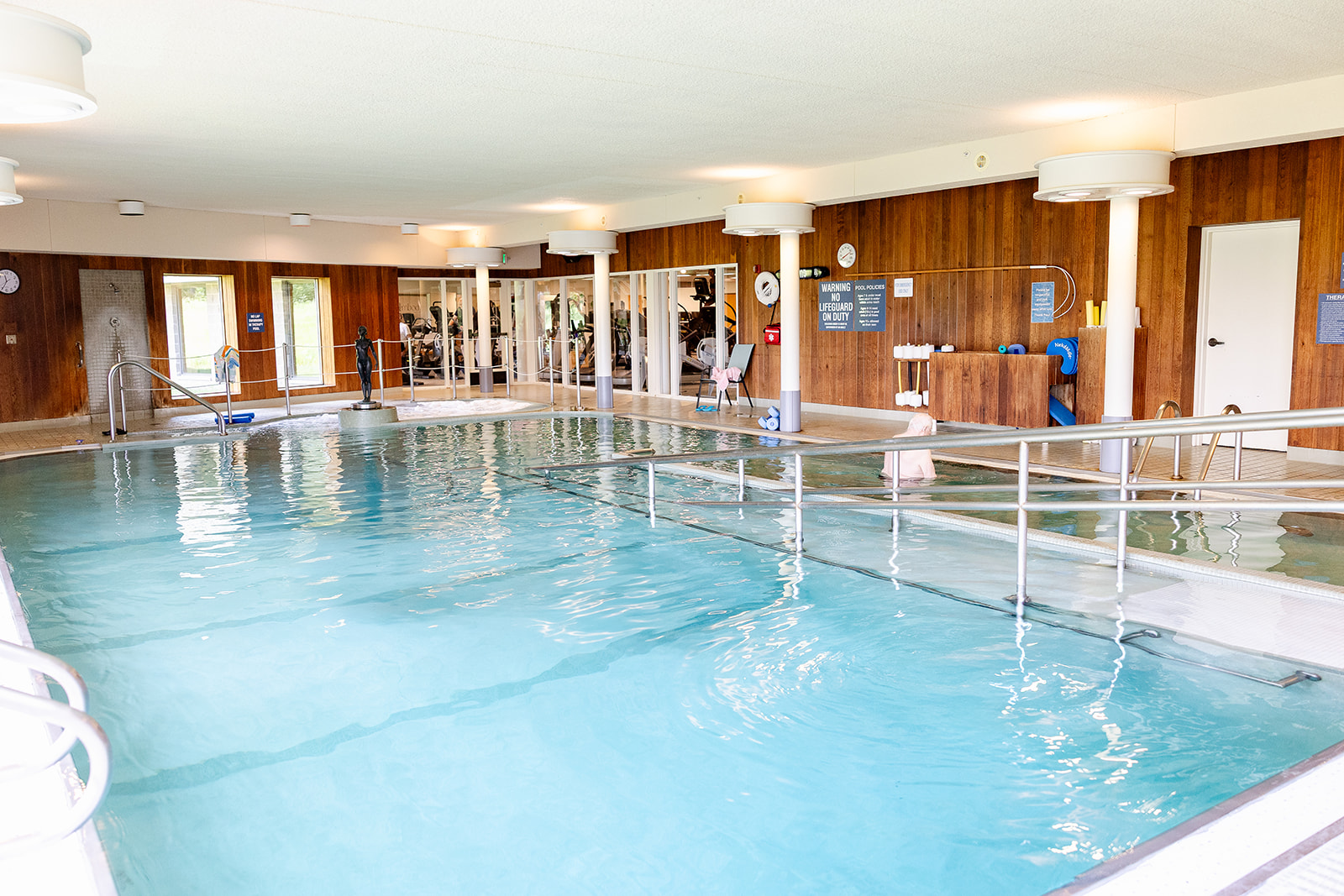
Because Embody is located inside The Marsh here in Minnetonka, our doctors of physical therapy have direct access to a warm water therapy pool as part of care — a resource many clinics simply don’t have. When it’s clinically appropriate, physical therapy sessions can take place right in the pool, using the water’s buoyancy and resistance as part of the rehab process itself.
For clients looking for an even more integrated, multi-environment path, Mary LeSourd’s Integrative Health Coaching blends functional movement, hands-on bodywork, and warm water therapy into a single plan — moving fluidly between land and water based on what your body needs that day. Whether your path runs through physical therapy, integrative coaching, or both, the goal is the same: a plan built around adaptive, awareness-driven strength that meets your body where it is right now, not where a generic program assumes it should be.
When to Reach Out
If pain, stiffness, or a recent injury or illness has made you hesitant to stay active, that hesitation is worth listening to — and worth addressing with a plan built around your body, not a template. Cross training works best when it’s guided by someone who understands your movement history, so if you’re unsure where to start, that’s exactly the kind of question a conversation with our team can help sort out.
Frequently Asked Questions
For most people, yes. The buoyancy and warmth of the water reduce joint stress and can make movement more comfortable. A physical therapy evaluation can help confirm what’s appropriate for your specific condition.
It varies by individual, but many people benefit from alternating land and water sessions two to three times per week each, allowing adequate recovery between similar movement types.
No. Warm water therapy and exercise sessions typically take place in shallow to chest-deep water and don’t require swimming ability.
Ready to Build Your Cross Training Plan?
Whether you’re managing joint pain, recovering from an injury, or simply want a smarter way to stay strong, Embody Health and Performance can help you determine the right starting point — land, water, or both. Call us at 952.935.4037, Monday through Friday, 7:00 AM–5:00 PM, or visit our Contact page to request a session.
This article is educational and is not a substitute for individualized medical care.


