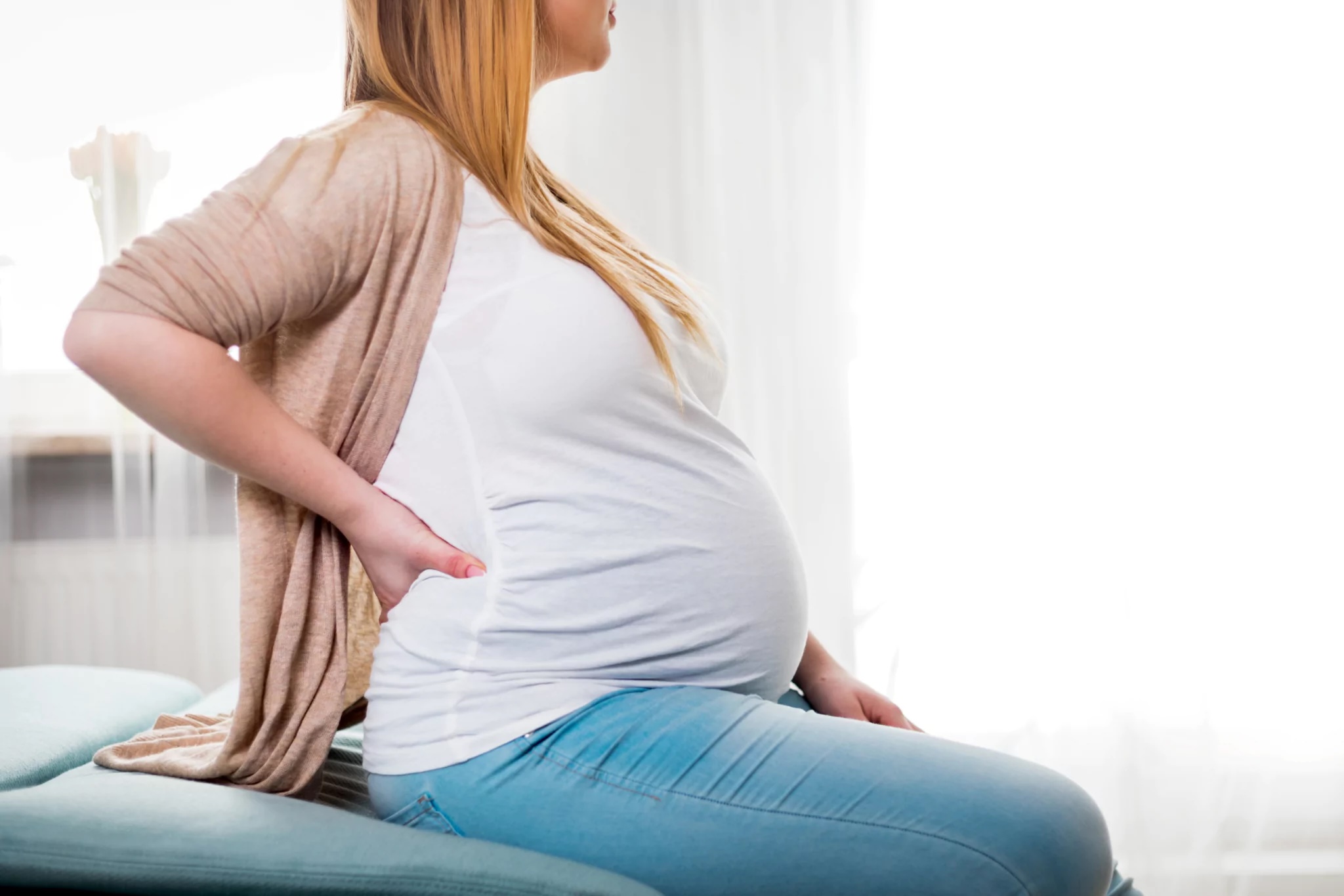
Your body is doing something remarkable. It’s also asking a lot of your lower back and pelvis along the way. If you’re pregnant and dealing with an ache that wasn’t there before pregnancy, you’re not imagining it, and you’re not alone. Research suggests that low back or pelvic pain affects anywhere from a quarter to the vast majority of pregnant women, depending on the stage and study. That said, common doesn’t mean something you simply have to push through.
Physical therapy offers a safe, hands-on way to reduce pain, protect your mobility, and help you feel steadier on your feet as your body changes week to week.
Why Low Back Pain Happens During Pregnancy
Several things shift at once during pregnancy, and each one can add a little more load to your lower back.
Hormonal Changes
Hormones like relaxin loosen the ligaments around your pelvis and spine in preparation for birth. That flexibility is useful later on, but in the meantime, it can leave joints feeling less stable and more prone to strain.
Changes in Posture
As your belly grows, your center of gravity moves forward. Many women compensate by leaning back through the hips, which increases the curve in the lower spine and puts extra strain on the muscles and joints there.
Core and Pelvic Floor Adaptations
Your abdominal muscles stretch considerably over the course of pregnancy, and your pelvic floor takes on more pressure with each trimester. Because these structures normally help stabilize the spine, their changing role can leave the low back doing more of the work.
Muscle Tension and Fatigue
Disrupted sleep, stress, and general fatigue all lower your tolerance for discomfort. Tight hips and glutes are common companions to pregnancy-related back pain for this reason.
Not All Pregnancy Back Pain Is the Same
One distinction worth understanding: true low back pain and pelvic girdle pain (sometimes called SI joint pain) are related but different. Low back pain tends to sit higher, across the lumbar spine, and often worsens with prolonged sitting or standing. Pelvic girdle pain concentrates lower, around the sacroiliac joints or pubic bone, and often flares with walking, climbing stairs, or rolling over in bed. Some women experience both together. Because the treatment approach differs slightly for each, an accurate assessment matters more than guessing from symptoms alone.
It’s also worth separating musculoskeletal back pain from round ligament pain, which shows up as a sharp, brief twinge along the side of the belly with sudden movement, and from Braxton Hicks tightening, which feels more like an all-over cramping across the abdomen rather than a localized ache in the back. If you’re ever unsure which one you’re feeling, that’s a reasonable thing to bring up with your physical therapist or OB.
Common Symptoms
Pregnancy-related back and pelvic pain can show up as:
- A dull, aching pain across the lower back
- Tightness through the hips or glutes
- Pain localized near the sacroiliac joints
- Discomfort with standing, walking, or climbing stairs
- Pain when rolling over in bed
- A sense of pelvic pressure or instability
Symptoms can shift from trimester to trimester, and they vary quite a bit from person to person, so there’s no single “normal” timeline.
Why This Matters
It’s tempting to write pregnancy back pain off as temporary and unavoidable. In many cases it does improve after birth. However, roughly a third of women still have some back or pelvic pain a full year postpartum, which means addressing it during pregnancy isn’t just about comfort now — it’s about setting your body up for an easier recovery later. Unaddressed pain can also lead to compensations elsewhere, like altered walking patterns or guarding through the hips, that stick around longer than the pregnancy itself.
How Embody Approaches Pregnancy-Related Back Pain
At Embody Health and Performance, pregnancy-related pain gets the same root-cause attention as any other movement concern — just adapted for a body that’s changing on a weekly basis.
Individualized Movement Assessment
Your physical therapist looks at posture, mobility, breathing patterns, and how you move through daily tasks to understand what’s actually driving your discomfort, rather than treating the pain in isolation.
Hands-On Treatment
Pregnancy-safe manual therapy techniques can ease muscle tension, improve joint mobility, and take pressure off irritated tissues. Positioning is adjusted throughout pregnancy to keep every session comfortable and safe.
Core and Pelvic Floor Coordination
Gentle, targeted work helps your deep core, diaphragm, and pelvic floor coordinate again, which gives your spine and pelvis better support. This is also where we screen for diastasis recti — the natural separation of the abdominal muscles that occurs in most pregnancies — since how it’s managed affects core support both now and after delivery.
Education for Daily Movement
Small adjustments to sleep positioning, sitting posture, lifting mechanics, and walking mechanics often make a bigger difference than people expect.
Guided, Adaptive Exercise
Rather than handing you a generic prenatal workout sheet, we build adaptive, awareness-driven strength work around your current trimester, your symptoms, and how your body responds week to week — so your plan keeps making sense as your pregnancy progresses.
Aquatic Therapy
For patients who find weight-bearing movement uncomfortable in later pregnancy, the pool at The Marsh offers a low-impact way to stay active and mobile while taking pressure off the low back and pelvis.
If pelvic girdle pain or pelvic floor symptoms are the main driver of your discomfort, pelvic floor therapy may be a more targeted starting point than general physical therapy alone — our team can help you figure out which makes the most sense for you.

Simple Ways to Ease Back Pain at Home
Many women find relief with:
- Regular walking and gentle daily movement
- Prenatal stretching or yoga
- A pillow between the knees or under the belly while sleeping
- Heat or a warm bath for tight muscles
- A maternity support band for extra pelvic stability during longer days
- Breaks from prolonged sitting or standing
Staying appropriately active tends to serve pregnant women better than complete rest, though your physical therapist can help you figure out where that line sits for you.
When to Reach Out
Most pregnancy-related back pain is uncomfortable rather than dangerous. That said, a few symptoms deserve prompt attention from your OB or midwife rather than waiting for your next PT visit:
- Regular, rhythmic cramping or tightening in the low back or abdomen, especially before 37 weeks
- Sudden or severe swelling, pain, or warmth in one calf
- Fever, vaginal bleeding, or burning with urination
- Severe headache, vision changes, or pain under the right ribs
- Numbness, tingling, or weakness that doesn’t let up
- Pain that keeps getting worse or increasingly limits your movement
None of these are common causes for alarm on their own, but they’re worth a call to rule out something beyond typical musculoskeletal pain. For everything else — the everyday aches, tightness, and pelvic pressure that come with a changing body — physical therapy is a good place to start.
This article is educational and is not a substitute for individualized medical care. Always follow the guidance of your OB, midwife, or physical therapist for your specific pregnancy.
Supporting Your Body Through Pregnancy
Pregnancy asks a lot of your body, and support shouldn’t be an afterthought. With the right assessment and a plan built around how you’re actually moving and feeling, most women find real, lasting relief — not just a temporary fix that wears off by the third trimester.
If low back or pelvic pain is making pregnancy harder than it needs to be, our team at Embody Health and Performance can help you find out what’s driving it and build a plan around it. We’ll help you figure out whether physical therapy, pelvic floor therapy, or another approach is the best place to start.
Frequently Asked Questions
Yes. Estimates suggest low back or pelvic pain affects a large share of pregnant women at some point, largely due to hormonal changes, postural shifts, and the added demands on the core and pelvic floor. Normal doesn’t mean it has to stay unmanaged, though — physical therapy can meaningfully reduce it.
Low back pain usually sits higher across the lumbar spine and worsens with sitting or standing, while pelvic girdle pain concentrates around the sacroiliac joints or pubic bone and often flares with walking, stairs, or rolling in bed. The two can occur together, and an assessment helps clarify which is driving your symptoms.
Yes. Physical therapy techniques are adapted for each trimester, including how you’re positioned during treatment and which exercises are appropriate for your stage of pregnancy.
Earlier tends to be better. Addressing pain before it becomes a limiting daily pattern often makes it easier to manage and can help prevent compensations that persist after birth.
For many women, yes. However, roughly a third still experience some back or pelvic pain a year after delivery, which is part of why addressing it proactively during pregnancy is worthwhile.


