If you have arthritis or chronic joint pain, you may wonder:
Does exercise help joint pain, or will it make things worse?
Many people are told they have “degeneration” and assume movement will wear their joints out. It is a common fear. But the truth is this:
The right low impact exercise for arthritis can reduce pain, improve mobility, and help protect your joints long term.
At Embody Health and Performance, we regularly work with people who were told to slow down, or move less. In reality, most people do not need less movement. They need the right intention behind it – adjusting intensity, volume, or range of motion to gradually improve joint mobility.
Why Low Impact Exercise Is Good for Joint Health
Your joints are designed to move.
Cartilage does not have its own blood supply. It relies on motion to circulate synovial fluid, which delivers nutrients and removes waste. When you stop moving, joints stiffen. Fluid circulation decreases. Muscles weaken. Pain often increases.
Low impact exercise for joint health helps:
- Improve joint lubrication
- Maintain cartilage resilience
- Strengthen muscles that support the joint
- Improve balance and coordination
- Reduce stiffness
Movement is not the enemy of arthritis. Inactivity is.
Does Exercise Help Joint Pain?
Yes, when it is dosed correctly.
Osteoarthritis is often described as wear and tear, but it functions more like wear and repair. Joint tissues respond to appropriate loading. Gentle, progressive stress stimulates adaptation in cartilage, bone, tendon, and muscle.
When people avoid movement entirely, joints become more sensitive, weaker, and less tolerant to daily activity.
When movement improves joint mobility and strengthens the surrounding muscles and tendons, those tissues absorb and deliver force more efficiently. Instead of stress collecting in the joint itself, energy passes through it the way it was designed to. Over time, this improves tolerance, reduces sensitivity, and supports healthier joint function.
Low impact exercise for arthritis helps calm sensitivity, improve circulation, reinforce effective muscle function, and increase the joint’s capacity to handle everyday life.
The key is choosing the right type and intensity.
5 Low Impact Exercises for Joint Pain and Arthritis
If you are wondering what is good for joint health, start here:
1. Walking
A simple daily walk improves circulation and gently loads the hips, knees, and ankles. Even 10 to 15 minutes makes a difference.
2. Light Strength Training
Sit-to-stands, wall pushups, step-ups, and resistance band work strengthen muscles that stabilize your joints. Strong muscles reduce joint strain.
3. Tai Chi
Slow, controlled movement improves balance and mobility. Tai chi has strong evidence for reducing arthritis pain.
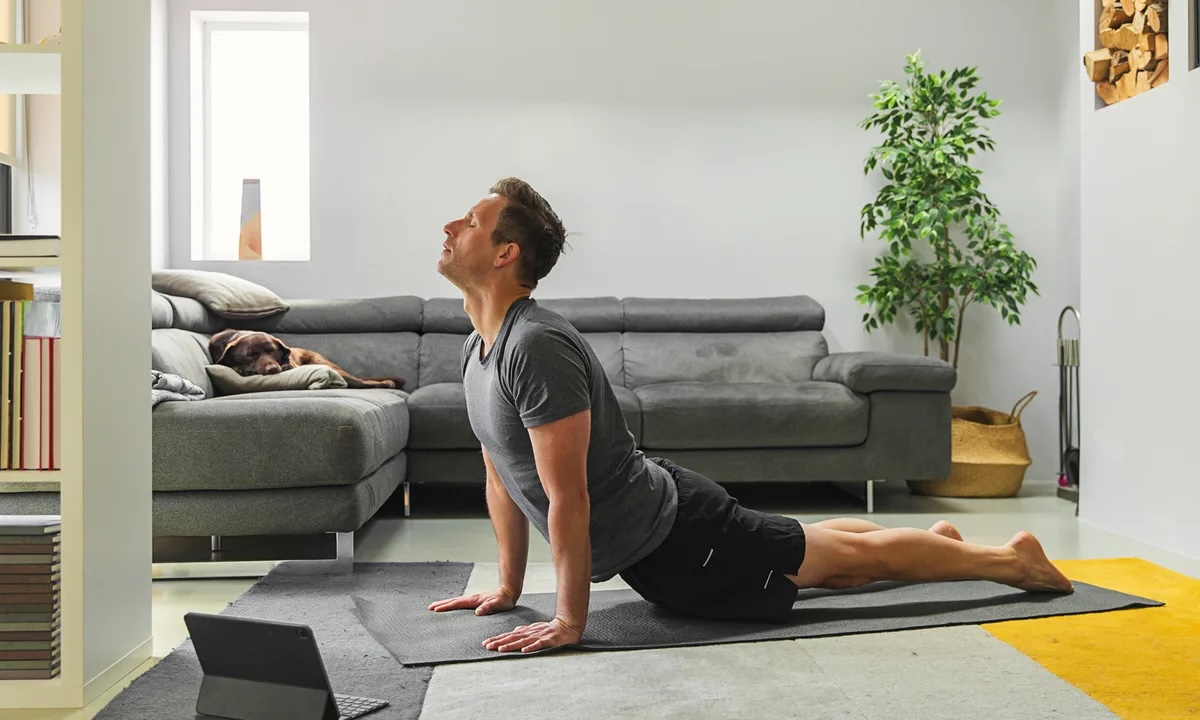
4. Yoga or Gentle Mobility Work
Controlled stretching improves range of motion and reduces stiffness. The goal is consistency, not extreme flexibility.
5. Water-Based Exercise
Swimming or water walking reduces joint compression while still providing resistance and cardiovascular benefit. For some people, aquatic exercise makes movement feel more accessible during flare-ups.
For individuals who feel limited by pain or stiffness, aquatic therapy can be a helpful temporary environment to rebuild confidence and tolerance to movement. At Embody Health and Performance, we sometimes use the therapy pool at The Marsh as part of a broader physiocoaching plan. The goal is not to stay in the pool, but to build strength and resilience that transfers back to land-based movement.
These are examples of low impact exercises for joint pain that build resilience without excessive stress.
Why Do My Joints Hurt After a Workout?
“Joints hurt after workout” is one of the most common concerns we hear.
There is an important difference between:
- Mild soreness from adaptation
- Temporary sensitivity
- True overload
Some discomfort after exercise can be normal, especially if you are returning to activity. Ideally, as mentioned above, that soreness is felt in the muscles and connective tissues, which are designed to absorb and deliver force.
However, sharp pain or joint pain after exercise, swelling that lasts more than 24 to 48 hours, or worsening symptoms may indicate that the dosage was too high, or that surrounding muscles were not absorbing or delivering load efficiently.
If you experience joint pain after exercise, scaling intensity or modifying movement patterns usually solves the problem. It does not necessarily mean you should stop moving.
What About Osteoporosis?
Low impact exercise for arthritis often overlaps with exercise for osteoporosis.
Weight-bearing activity such as walking and resistance training sends signals to bone to maintain density. Stronger muscles and improved balance reduce fall risk.
Avoiding movement because bones feel fragile can actually accelerate weakness. Guided, progressive loading builds strength safely.
How to Strengthen Your Joints Safely
If you want to strengthen your joints without aggravating arthritis:
- Start with low load and slow tempo
- Increase one variable at a time
- Allow recovery between sessions
- Prioritize good mechanics
- Stay consistent
Ten to fifteen minutes daily often outperforms one intense session per week.
The Big Picture
Degeneration does not mean your body is broken. Arthritis does not mean you should avoid movement.
The right low impact exercise for arthritis and joint pain helps your joints adapt, strengthen, and function better over time.
Movement is not about pushing harder. It is about building capacity.
If you are unsure where to begin, our team at Embody Health and Performance can help you create a plan that supports your joints while keeping you active and confident in daily life.


