Practical Strategies for Holistic Health For Performance and Everyday Living.
Welcome to the Wellness Library
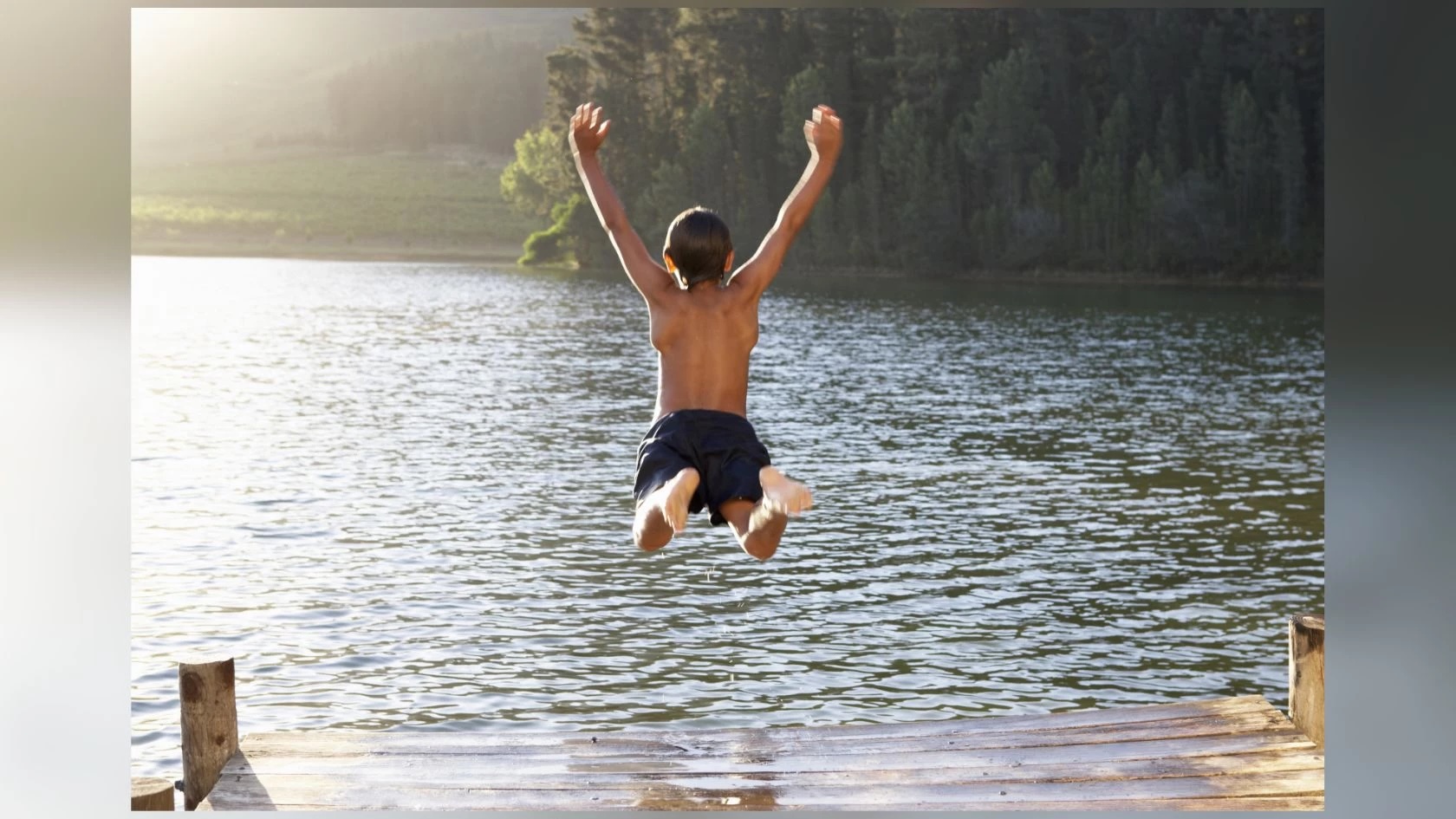
Looking for healthy summer things to do in Minnetonka, MN? From hiking local trails and kayaking on Lake Minnetonka to farmers markets, outdoor recreation, and wellness-focused experiences, the west metro offers countless ways to stay active and enjoy the Minnesota summer season.
Minnetonka summers naturally invite people back outside. Trails fill up, lake days return, farmers markets reopen, and longer evenings create more opportunities to move, explore, and reconnect with nature and community.
At Embody Health and Performance, we believe health is built through everyday experiences — walking outdoors, sharing good food with family, spending time on the water, recovering well, and staying consistently active in ways that feel sustainable and enjoyable.
Here are some of our favorite healthy summer activities around Minnetonka and the Lake Minnetonka area.
Explore The Trails At Purgatory Park
If you’re looking for a peaceful place to move your body and spend time outdoors, Purgatory Park is one of the best hidden outdoor spots in Minnetonka, MN for walking, hiking, and spending time in nature. The park offers wooded walking trails, rolling terrain, and quiet natural scenery that feels surprisingly tucked away despite being close to the city.
Whether you’re hiking, walking with family, or simply trying to get outside more consistently, trail walking is one of the most underrated forms of movement. Uneven terrain challenges balance, coordination, foot and ankle mobility, and overall adaptability in ways that treadmills simply can’t replicate.
It’s also a great reminder that exercise doesn’t always have to feel structured or intense to be beneficial.
Great for:
- Walking & hiking
- Low-impact movement
- Nervous system regulation
- Family outings
- Morning or evening walks
Birding & Nature Observation At Ferndale Marsh
Ferndale Marsh Natural Area is one of the most peaceful outdoor spaces near Minnetonka for walking, birding, and spending time in nature. This 585-acre wetland complex provides habitat for local birds, wildlife, and native plant species while offering a quieter alternative to some of the busier summer destinations around Lake Minnetonka.
Nature observation may not sound like traditional exercise, but slowing down and spending time outdoors can have a powerful impact on stress levels, mental clarity, and overall well-being. Walking through wetlands and natural areas also encourages gentle movement, breath awareness, and a different pace than most people experience during the workweek.
Bring binoculars, take a slow walk, and allow yourself time to actually notice the environment around you.
Great for:
- Birding & wildlife observation
- Gentle walking
- Stress reduction
- Photography
- Mindful outdoor time
Paddleboarding & Kayaking On Lake Minnetonka
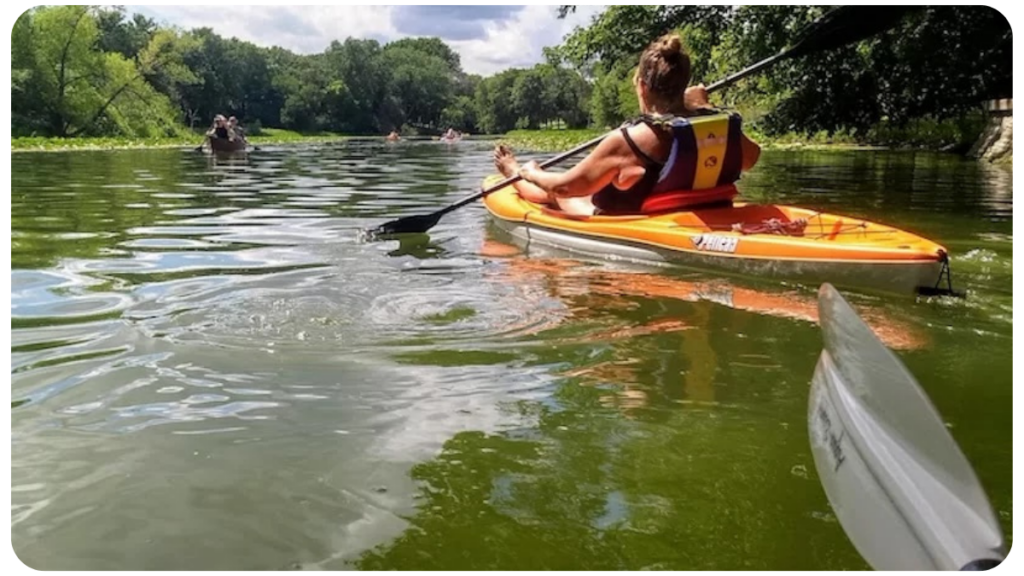
Few things feel more like a Minnesota summer than getting out on the water. Renting a kayak or paddleboard on Lake Minnetonka is an incredible way to combine movement, sunshine, and relaxation all at once.
Paddling naturally challenges core stability, shoulder mobility, balance, and coordination while still feeling restorative and enjoyable. It’s one of the best examples of movement that improves physical capacity without feeling like traditional exercise.
Whether you’re experienced or trying it for the first time, summer is the perfect opportunity to spend more time on the lake.
Great for:
- Core & upper body engagement
- Balance & coordination
- Active recovery days
- Stress relief
- Social outdoor activity
Bike The Luce Line & Minnehaha Creek Trails
Minnetonka offers access to some of the best paved biking and walking trails in the west metro, including portions of the Luce Line Trail and Minnehaha Creek trail systems.
Cycling is an excellent low-impact cardiovascular activity that supports joint health while allowing you to cover more distance and explore more of the area. These trails are also perfect for walking, jogging, rollerblading, or simply getting outside after work.
One of the best things about trail systems like these is that they make movement more approachable. You don’t need an intense workout plan to benefit from regular activity.
Great for:
- Cycling
- Walking & jogging
- Low-impact cardio
- Family activity
- Exploring local nature
Visit Gale Woods Farm
Gale Woods Farm offers one of the most unique experiences in the area by combining outdoor recreation, agriculture, education, and local food into one beautiful setting.
You can walk the trails, visit the farm animals, explore the grounds, and purchase locally grown produce and grass-fed meats directly from the farm. It’s a refreshing reminder of where food actually comes from and how connected our health is to the quality of what we eat.
For families, it’s also a great way to introduce children to farming, animals, and spending more time outdoors.
Great for:
- Walking & hiking
- Family outings
- Local food & nutrition
- Educational experiences
- Slower-paced outdoor time
Explore Local Farmers Markets In Minnetonka
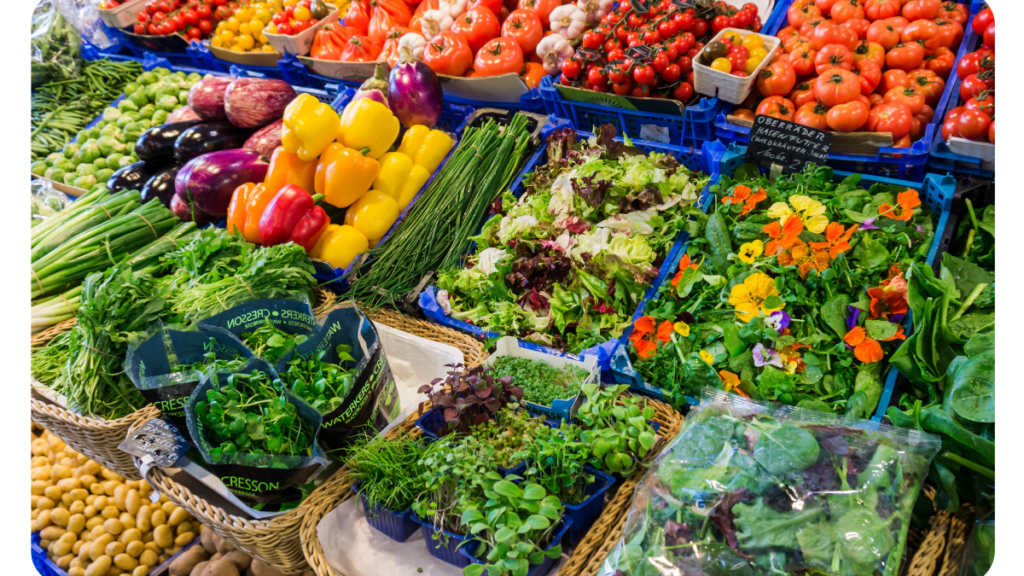
Summer farmers markets are one of the easiest ways to support your health and your local community at the same time.
Fresh produce often tastes better, lasts longer, and encourages people to cook more meals at home. Walking through a market also naturally creates connection, conversation, and time outdoors — all things many people need more of.
One market we’re especially excited about is the Minnetonka Farmers Market at The Marsh, held on Tuesdays from 2–6pm beginning June 2. It’s a great opportunity to support local farmers and vendors while spending time at one of the community’s long-standing wellness spaces.
Great for:
- Seasonal produce
- Local food sourcing
- Community connection
- Walking & outdoor time
- Healthy meal inspiration
Try SaunaFit At The Marsh
The City of Minnetonka is offering SaunaFit at The Marsh, combining movement and sauna exposure into a guided wellness experience.
Sauna use has long been associated with relaxation, recovery, circulation, and stress reduction. For many people, it can also serve as an intentional pause from constant stimulation and busyness.
Combined with movement and breathwork, it creates an experience that supports both physical and mental recovery — something many people are missing in modern life.
Whether you’re looking for stress relief, recovery support, or simply a different way to care for your health, SaunaFit is a unique local offering worth exploring this summer.
Enjoy Seasonal Dining At The Table In Minnetrista
Health also includes slowing down enough to enjoy good food and meaningful experiences.
The Table in Minnetrista offers a seasonal dining experience focused on locally sourced produce and meats from Everly Farms. Their menu changes with the season and highlights fresh ingredients grown and raised nearby.
Restaurants that prioritize local, seasonal food often create a very different dining experience than highly processed, convenience-based eating. It’s one more way to reconnect with food, community, and intentional living during the summer months.
Support Recovery With Red Light Therapy
Summer often means people are moving more, exercising more, traveling more, and spending longer hours outdoors — which also means recovery becomes increasingly important.
Many of these activities are located near The Marsh in Minnetonka, where Embody Health and Performance provides integrative physical therapy, sports performance coaching, functional wellness coaching, and recovery services.
One recovery option we offer during the summer months is Red Light Therapy. Sessions are short, relaxing, and designed to support circulation, tissue health, recovery, and overall wellness.
Many people enjoy using red light therapy after long bike rides, hikes, strength workouts, travel days, or periods of increased physical activity. It can also be a simple way to intentionally slow down and recharge during a busy season.
While summer is the perfect time to get outside and stay active, recovery is still part of the equation.
Great for:
- Recovery after outdoor activity
- Supporting tissue health & circulation
- Stress management & relaxation
- Complementing active lifestyles
- Quick wellness sessions during busy weeks
Other Health-Forward Summer Activities Around Minnetonka
Looking for even more ways to stay active and enjoy the season? Here are a few additional ideas we often recommend:
Outdoor Yoga Classes
Many local parks, studios, and community spaces offer outdoor yoga throughout the summer. Practicing outside adds fresh air, sunlight, and a calming environment to movement and breathwork.
Pickleball & Tennis
Pickleball continues to grow throughout the west metro for good reason — it’s social, approachable, and a great way to move without feeling overly structured.
Swimming & Open Water Time
Swimming is one of the best low-impact full-body activities available and a great option for individuals managing joint pain or recovering from injury.
Evening Walks After Dinner
Simple habits matter. A 10–20 minute walk after dinner can support digestion, blood sugar regulation, recovery, and stress management while helping people spend less time sitting indoors.
Outdoor Strength & Mobility Sessions
Instead of always exercising inside, try taking mobility work, stretching, or bodyweight strength sessions outdoors. Changing environments can completely shift how movement feels.
Health Doesn’t Always Need To Be Complicated
One of the biggest misconceptions in health and wellness is that everything needs to be optimized, intense, or highly structured.
In reality, some of the most impactful things you can do for your health are surprisingly simple:
- Spend more time outside
- Walk more often
- Move your body consistently
- Eat seasonal whole foods
- Connect with people
- Slow down enough to actually recover
Minnetonka offers incredible opportunities to do exactly that during the summer months.
Whether you’re looking for outdoor activities in Minnetonka, wellness-focused experiences near Lake Minnetonka, or simple ways to stay active this summer, the west metro offers endless opportunities to support your health naturally and intentionally.
If you’re looking for more ways to improve your movement, recovery, health, or overall performance this summer, our team at Embody Health and Performance would love to help.

Recent reads

These posts are getting popular
Here are some of our trending blog posts
Why Timing Matters In Sports Therapy and Rehab for Surgery and Recovery
Why Does My Body Feel Like It's Breaking Down?
Understanding Pain During Exercise: What's Normal And What Needs A Closer Look
Restore & Rebuild
Articles focused on pain, injury rehab, movement dysfunction, pelvic health, and post-op recovery. The why behind symptoms and how to heal the whole system.
Train with Purpose
Posts centered on performance coaching, strength, mobility, recovery strategies, and training the body to move better and last longer—without the burnout.
Rooted Living
For everything from nutrition, hormones, sleep, and stress to gut health and sustainable self-care—because wellness starts with the foundation.


Whole-person care. Built for the long haul.
ABOUT EMBODY
At Embody, we do things differently. We combine physical therapy, sports performance coaching, acupuncture and functional wellness to help you move better, feel stronger, and live with more capacity—not just for today, but for the long term.
Our approach is principle-based and relationship-driven. That means no symptom-chasing, no cookie-cutter protocols, and no rushing through appointments. Just real care that gets to the root, adapts with you, and actually works. Whether you're here to recover, rebuild, or optimize—we’re all in.
Let’s get to it.